
Carpanthea
Carpanthea
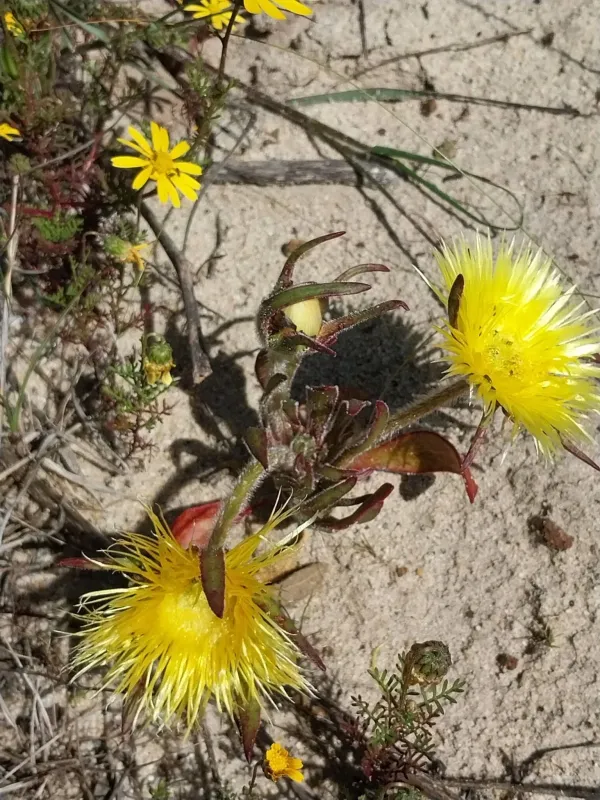
Description
Sowing dates
Carpanthea is a genus of succulent plants belonging to the Aizoaceae family, naturally occurring in the arid regions of the Western Cape in South Africa.
Sowing should take place in early spring, utilizing well-draining seed-starting mix composed primarily of sand and fine grit to ensure optimal root health from the start.
The seeds are minute and require surface sowing, meaning they should be pressed gently into the substrate without covering, as light exposure is necessary for germination.
Consistent temperatures ranging between 20°C and 22°C are essential to trigger germination, usually occurring within a period of 14 to 21 days after sowing.
Once seedlings have developed their first set of true leaves, they should be carefully transplanted into well-ventilated containers to ensure continued vigorous growth.
Growing requirements
This culture demands high levels of direct solar radiation to maintain its compact shape and to stimulate the production of its vibrant, daisy-like flowers.
Soil composition must be extremely porous; a cactus-grade substrate supplemented with additional pumice or coarse sand is recommended to facilitate rapid drainage.
Watering practices must be strictly controlled, allowing the soil to dry out completely between sessions to mimic the natural wetting and drying cycles of their native habitat.
During the dormant winter season, water should be withheld almost entirely to prevent cold-moist rot, which is the primary cause of mortality in cultivated Carpanthea.
Adequate air circulation is non-negotiable; stagnant air combined with humidity creates a perfect environment for physiological disorders and bacterial infections.
Main diseases and pests
Root rot caused by waterlogged soil is the single most significant threat to Carpanthea, necessitating the use of clay pots which allow for better evaporation.
Mealybugs are the most common insect pests, often found nestled in the crevices of the succulent foliage, where they feed on the sap and weaken the plant structure.
In high humidity environments, fungal pathogens like Botrytis may attack the succulent tissue, causing brown, mushy spots that spread rapidly across the plant.
Spider mites may become a problematic issue if the growing environment becomes excessively hot and dry without adequate airflow around the base of the plant.
To mitigate these threats, growers should maintain clean cultivation areas and perform regular inspections, applying organic soap solutions or targeted miticides when necessary.