
Woolly thyme
Thymus pseudolanuginosus Ronniger
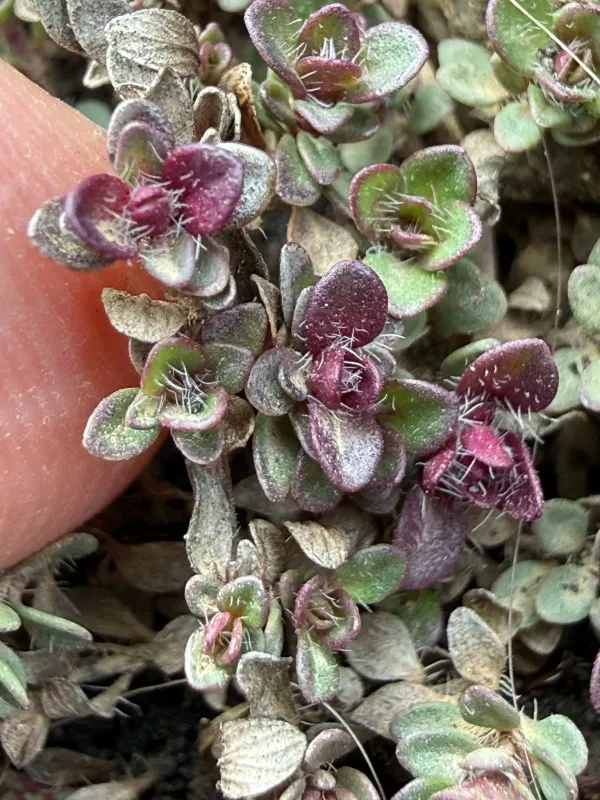
Description
Sowing dates
Woolly thyme is primarily propagated by seeds or division. For sowing, choose a location with well-draining soil and sow seeds in early spring as soon as the danger of frost has passed.
When starting indoors, plant seeds in a light, sterile seed-starting mix. Keep the soil moist and provide plenty of sunlight. Germination typically occurs within two to three weeks under optimal conditions.
In outdoor settings, surface-sow the seeds and lightly press them into the soil. Avoid covering them deeply, as they require light to germinate effectively. Keep the area consistently misted.
For established landscaping, division is often a faster method. Dig up mature clumps in early spring or autumn and replant them in new areas, ensuring each division has roots attached.
Space the plants approximately 8-12 inches apart when planting as a groundcover. This allows them to spread and eventually form a dense, carpet-like mat across the ground.
Growing requirements
Woolly thyme, a member of the Lamiaceae family, is a highly adaptable perennial that thrives in full sun. It is specifically prized for its ability to tolerate foot traffic.
The plant demands excellent soil drainage. It performs best in sandy, gritty, or rocky soils with neutral to slightly alkaline pH levels, mimicking its natural mountainous habitat.
Watering should be done with caution. While it needs regular water during its first year, it is remarkably drought-tolerant once established. Avoid waterlogged soil at all costs.
It is exceptionally hardy and can withstand cold winter temperatures. Ensure the area remains free of standing water during winter to prevent crown rot, which is common in wet climates.
Avoid heavy fertilization. High nitrogen levels will cause the plant to grow too fast, resulting in weak stems and a loss of the compact, mat-forming habit that makes it so attractive.
Main diseases and pests
The main threats to this herb are fungal diseases, such as root rot or Botrytis, usually caused by excessive moisture, poor air circulation, or heavy, clay-based soils.
While the strong scent of the essential oils generally repels most pests, spider mites may occasionally become an issue in very hot, dry, and stagnant environments.
To prevent disease, ensure the site has excellent drainage and avoid overhead watering in the evenings. Proper spacing helps maintain good airflow through the foliage.
If fungal issues arise, remove the affected foliage immediately and improve the drainage in the surrounding area. Organic fungicides can be used if infestations are severe.
Regular maintenance, including the removal of dead leaves from the center of the mat, helps prevent the buildup of moisture and decay within the plant colony.
Harvesting
Harvesting for medicinal or culinary purposes is best performed during the peak of the flowering season, when the concentration of essential oils is at its highest.
Cut the stems using clean, sharp pruning shears, leaving at least 2 inches of growth above the roots to allow the plant to recover and regenerate for future seasons.
Dry the harvested stems by hanging them in bundles or spreading them out on a screen in a cool, dark, and well-ventilated room to preserve the volatile oils.
If grown for aesthetics, simply shear the plants back slightly after flowering. This encourages a fresh flush of foliage and maintains the neat, low-growing appearance of the carpet.
Store dried thyme in airtight glass jars away from direct light. Properly stored, the herb retains its flavor and potency for up to twelve months after the harvest.