
Large-leaved thyme
Thymus pulegioides L.
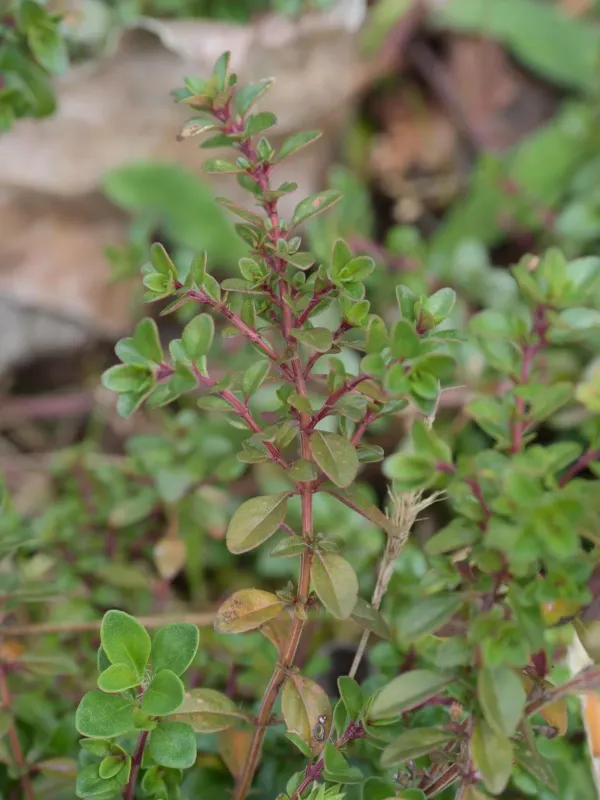
Description
Sowing dates
Large-leaved thyme (Thymus pulegioides), belonging to the Lamiaceae family, is typically sown in spring when the soil temperature reaches 10–12°C. The seeds have high germination rates but require surface sowing due to their small size.
The optimal time for direct field sowing is late April or early May. When using the seedling method, seeds are planted in trays during March to obtain healthy young plants ready for transplanting.
The seeding density must provide sufficient space for growth, as the plant develops trailing stems. A recommended spacing is to maintain row widths between 30 and 45 cm.
A key factor in sowing is preparing a fine-crumb soil structure. Seedlings emerge within 2–3 weeks, and maintaining surface moisture during this period is critical for establishing the crop.
In large-scale farming, both direct seeding and vegetative propagation by plant division are practiced. The latter method allows for faster harvest yields starting from the second year of vegetation.
Growing requirements
This crop is a sun-loving plant that prefers open areas with excellent exposure to sunlight. In shaded areas, stems tend to stretch, and the concentration of essential oils in the leaves decreases significantly.
Large-leaved thyme has moderate soil requirements, but it shows the best yield performance on light, sandy loam, or loamy substrates. Good soil drainage is essential for healthy root development.
The plant is drought-tolerant but reacts poorly to water stagnation. Excess moisture combined with heavy clay soil often leads to root rot and poor plant vigor.
The optimal soil pH range for cultivating this species is between 6.0 and 7.5. In acidic soils, pre-planting liming is necessary to ensure healthy and steady growth of the thyme crop.
The frost resistance of large-leaved thyme is quite high, allowing it to be grown in many temperate regions. However, in snowless winters with severe frosts, light coverage with organic material is beneficial.
Main diseases and pests
Excessive humidity poses the main threat to the crop, as it encourages root rot and various fungal diseases. Preventive measures include proper irrigation management and maintaining soil aeration.
Among pests, weevils and certain types of caterpillars cause the most damage by feeding on the foliage. Regular monitoring of the plantations allows for the timely identification of infestation spots.
Aphids sometimes settle on young shoots, sucking the sap and reducing the plant's aesthetic and productive value. The use of biological insecticides is preferred to maintain the crop's ecological purity.
Diseases such as late blight or leaf spot rarely affect thyme when proper agricultural practices are followed. The main control method is crop rotation and the prompt removal of plant debris.
Weeds present serious competition for thyme during the initial growth stages. Manual or mechanical weeding is mandatory to maintain the high productivity of perennial plantations.
Harvesting
Harvesting of large-leaved thyme is carried out during the peak flowering phase, when the concentration of essential oils in the above-ground parts is at its maximum level.
The upper part of the stems, up to 15 cm long, is cut using sharp tools or mechanical harvesters. It is important to leave the lower part of the stems with leaves to allow the plant to regenerate.
For essential oil production, harvesting should be performed in dry, sunny weather after the dew has evaporated. This promotes higher drying quality and better preservation of aromatic compounds.
Drying of the raw material should be done quickly in shaded, well-ventilated areas or in specialized dryers at temperatures not exceeding 40°C. Exposure to direct sunlight destroys essential oils.
Storage of dried thyme should be handled in airtight containers or heavy-duty paper bags in a dark place. Following these conditions allows the plant's beneficial properties to be preserved for up to two years.