
Lemon thyme
Thymus x citriodorus (Pers.) Schreb.
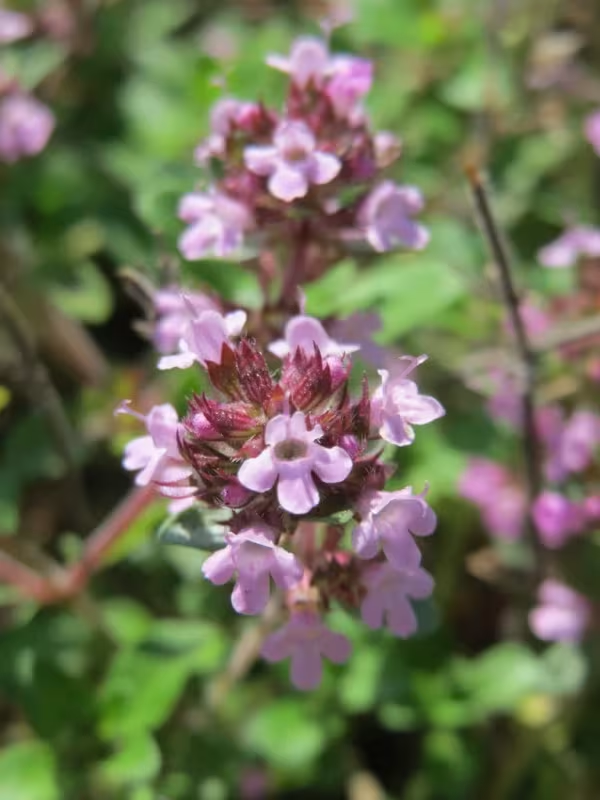
Description
Sowing dates
Sowing Lemon thyme seeds directly outdoors is performed in late spring once soil temperatures reach 15-18 degrees Celsius. The seeds are extremely small and should be sown on the soil surface, lightly pressed down, and covered with a fine layer of sand to maintain contact without burying them too deep.
For indoor propagation, seeds should be started in early spring using containers with good drainage. Consistent moisture and bright, indirect light are essential for successful seedling development before transplanting into the field.
Transplanting seedlings to their final location requires a spacing of at least 30 centimeters between plants. Proper ventilation is vital for this species, as it is susceptible to fungal issues if grown in overcrowded, stagnant conditions.
Lemon thyme, a hybrid belonging to the Lamiaceae family, is highly valued for its distinct lemon-scented foliage. Besides seeding, commercial growers often use cuttings or division to maintain consistent plant quality and fragrance profiles.
Native to the Mediterranean region, this plant has been adapted to thrive in temperate climates, provided that specific site requirements are met. It is an excellent choice for well-drained gardens or specialized aromatic herb plantations.
Growing requirements
This crop demands a sunny location with full light exposure for most of the day. Insufficient sunlight causes the plants to become leggy and significantly reduces the accumulation of volatile essential oils in the leaves.
Soil requirements focus on excellent drainage; the plant is extremely sensitive to waterlogging. Neutral to slightly alkaline, sandy or loamy soils are ideal for preventing root rot and promoting a healthy, robust root system.
Lemon thyme is drought-tolerant once established, requiring only moderate irrigation. Excessive watering should be avoided at all costs, as it is the most common cause of crop failure in herb production fields.
While the plant is relatively undemanding regarding nutrients, minimal organic or balanced mineral fertilization in early spring supports healthy vegetative growth. Excess nitrogen should be avoided to preserve the plant's aromatic intensity.
Maintenance involves seasonal pruning, which helps in shaping the plant and preventing woody growth at the base. Regular light trims encourage fresh green shoots and ensure the plant remains productive for several growing seasons.
Yield
The yield of green biomass depends largely on the soil fertility and management practices. Under optimal conditions, a well-maintained field can produce substantial amounts of herb material per square meter annually.
Maximum essential oil content is typically achieved during the peak flowering stage. Harvesting at this precise moment is critical for producers focusing on the extraction of high-quality lemon-scented oil for the fragrance and cosmetic industries.
A typical commercial lifespan for a Lemon thyme crop is 4 to 5 years, after which productivity declines. Growers should plan for crop rotation and field renewal to maintain consistent yields over long-term operations.
The crop is utilized in various sectors, including culinary markets for fresh or dried herbs and the essential oil market. Its lemon fragrance makes it a preferred choice for specialty gourmet applications.
Harvest frequency depends on the specific end-use. For fresh market bundles, multiple light harvests throughout the growing season are possible, provided the plant is allowed enough time to recover between cuttings.
Main diseases and pests
The most common threats are fungal diseases such as powdery mildew and root rot, which are triggered by poor air circulation and excessive soil moisture. Proper field hygiene and spacing are the primary preventative measures.
Insects like aphids or spider mites can occasionally affect the foliage. Integrated pest management strategies, focusing on biological controls, are highly recommended to avoid chemical residues on food-grade aromatic products.
- Ensure perfect drainage to prevent soil-borne pathogens.
- Maintain adequate plant spacing to facilitate airflow.
- Control weeds that contribute to micro-climatic humidity.
- Use biological soaps or oils if localized pest outbreaks occur.
Cold hardiness can be an issue in harsher regions. While the plant can tolerate winter temperatures, mulching or protective fleece covers are advised in areas with severe frost and no snow cover.
Crop rotation is essential for long-term soil health. Avoiding land previously occupied by other Lamiaceae members helps prevent the accumulation of pathogens that are specific to the family.
Harvesting
Harvesting should be done on a dry, sunny morning after the dew has evaporated. Dry harvesting conditions are essential to minimize moisture content, which prevents mold during the drying process and preserves volatile oils.
Stems should be cut roughly 5-10 centimeters from the base. This practice ensures that sufficient foliage remains for the plant to continue photosynthesis and support rapid regrowth throughout the rest of the season.
Immediate post-harvest processing is mandatory to prevent heat damage. Leaving freshly cut herbs exposed to direct sun will cause rapid wilting and the loss of the delicate lemon fragrance that defines the product.
Drying is performed in dark, well-ventilated rooms with temperatures maintained below 40 degrees Celsius. Higher temperatures will lead to the degradation of essential oil components and a lower-quality final product.
Once dried, leaves can be separated from stems, sifted, and stored in airtight, opaque containers. This storage method ensures that the herb retains its potency and flavor for up to twelve months.