
Creeping thyme
Thymus praecox Opiz
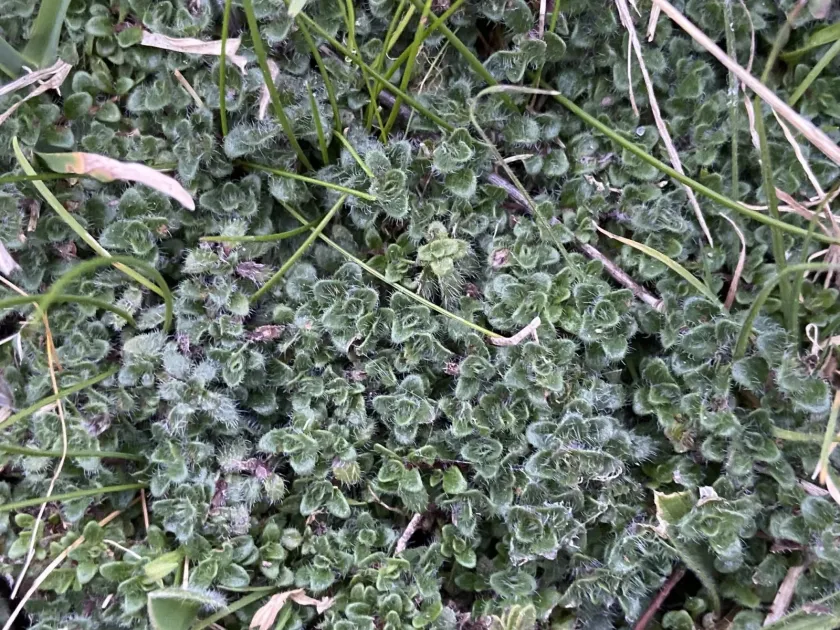
Description
Sowing dates
Thymus praecox, belonging to the Lamiaceae family, is typically propagated via seeds or vegetative division during the early spring season.
Seeds are very small and require light for germination, so they should be sown on the surface of the soil or covered with a very light layer of fine substrate.
Sowing in open ground is best performed once the threat of frost has passed and the soil has warmed to at least 15 degrees Celsius.
When starting indoors, seeds should be sown in trays about six to eight weeks before the last expected frost date to ensure strong plant development.
Once seedlings have developed several true leaves, they should be hardened off before being transplanted into their permanent outdoor locations.
Growing requirements
This species thrives in full sun, requiring at least six hours of direct sunlight per day to maintain its dense, low-growing growth habit.
Soil must be well-draining, ideally sandy or gritty, as the plant is highly sensitive to root rot caused by standing water or excessive moisture.
It prefers neutral to slightly alkaline soil conditions and performs exceptionally well in poor, rocky sites where other plants might struggle to survive.
Once established, Thymus praecox is remarkably drought-tolerant, requiring only minimal watering during extended periods of heat and low rainfall.
Maintenance involves keeping the area free of competitive weeds and providing occasional light pruning to encourage denser mat formation.
Yield
The economic value of this crop lies in its secondary metabolites, particularly the essential oils that contain thymol and carvacrol compounds.
Yields are maximized by ensuring adequate spacing, which allows for optimal air circulation and prevents overcrowding of the mat-forming stems.
In addition to medicinal and culinary applications, Thymus praecox is highly sought after as a low-maintenance ground cover for landscaping projects.
Farmers focused on herbal production should harvest during the mid-flowering stage, when the volatile oil content is at its absolute peak.
Strategic pruning after the main flowering flush can encourage a second wave of growth, thereby increasing the total biomass harvested per season.
Main diseases and pests
The primary threats to this crop include fungal infections such as root rot and stem blight, which are almost always linked to poor drainage.
Insect pests like aphids or spider mites may occasionally infest the plants, particularly if they are under stress from environmental conditions.
Preventive measures include ensuring excellent airflow and avoiding the overhead irrigation that keeps the foliage moist for extended periods.
Good field hygiene, including the removal of dead plant material at the end of the season, helps reduce the population of potential pathogens.
- Ensure soil drainage is superior before planting.
- Monitor for early signs of fungal leaf spots.
- Avoid over-fertilizing, which can cause weak and susceptible growth.
Harvesting
Harvesting should be conducted on dry, sunny days after the dew has evaporated, as moisture on the leaves can lead to spoilage during drying.
Using sharp, sterilized shears, cut the top 10–15 cm of the stems, ensuring the woody base of the plant is left undisturbed for regrowth.
The drying process must be carried out in a dark, well-ventilated space to preserve the delicate essential oils and vibrant green color of the foliage.
Temperatures during the drying process should be kept moderate, ideally below 40 degrees Celsius, to prevent the volatilization of active ingredients.
Once dried, the herbs should be stored in airtight containers away from heat and direct sunlight to ensure long-term potency and quality.