
Thyme
Thymus vulgaris L.
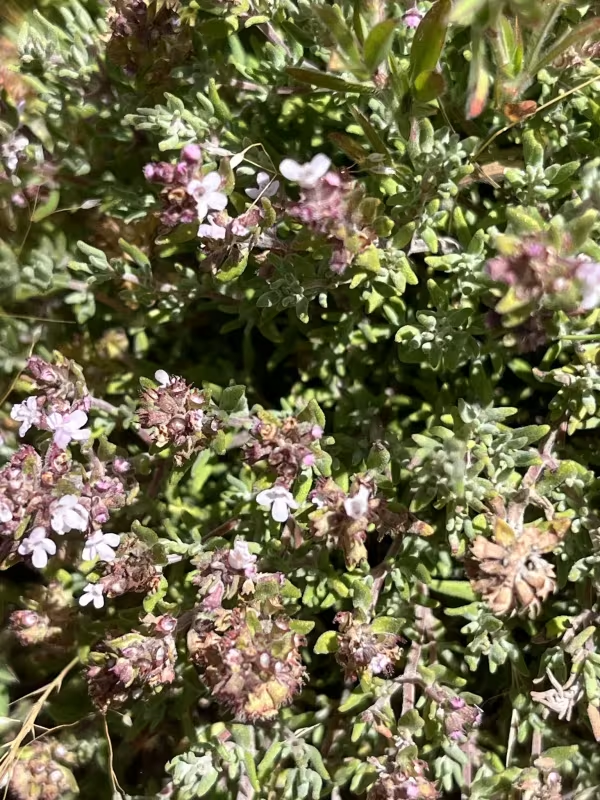
Description
Sowing dates
Commercial sowing of Thymus vulgaris is typically conducted in the spring, once the soil temperature reaches 10–12°C. The seeds are extremely small, necessitating a shallow planting depth of no more than 0.5–1 cm to ensure uniform germination.
Winter sowing is also feasible, allowing seeds to undergo natural stratification. In this method, sowing occurs in late autumn before the onset of permanent frost, ensuring seeds remain dormant until the following spring.
When using the seedling method, seeds are sown in greenhouses 60–70 days before transplanting into open fields. This allows plants to strengthen their root systems and gain vigor before being established in their permanent location.
The planting pattern must account for the necessity of mechanized inter-row cultivation. An optimal spacing of 45–60 cm between rows provides adequate nutrition and ensures sufficient ventilation to prevent disease outbreaks.
Sowing density is adjusted based on the intended purpose, whether for green mass or seed production. Denser sowing promotes rapid canopy closure, which naturally suppresses weed growth during the early stages of the crop's development.
Growing requirements
Thymus vulgaris is a light-loving and heat-loving plant belonging to the Lamiaceae family. Its native range spans the Mediterranean, where it typically grows on rocky slopes under intense solar radiation.
Successful cultivation requires light, well-drained soils with a neutral or slightly alkaline pH. Heavy clay soils prone to waterlogging are detrimental to the root system, so they must be improved with sand and gravel amendments beforehand.
The crop is highly drought-tolerant, although regular irrigation is necessary during the first few years to maximize biomass production. Mature plantations are well-adapted to long dry periods due to a strong taproot system.
The optimal temperature range for active growth is 20–25°C. Thyme is sensitive to sudden temperature drops and water stagnation, so fields should be selected on elevated ground with protection from cold winds.
The plant responds well to mineral fertilizers, though excessive nitrogen can decrease essential oil concentration in the tissues. It is recommended to balance nutrition with phosphorus and potassium complexes to improve winter hardiness and aromatic quality.
Yield
Yields of common thyme depend significantly on the plantation's age and agronomic practices. Peak productivity is observed in the second and third years after planting, once the shrubs reach full maturity.
The average yield of dry raw material per hectare ranges from 1.5 to 3 metric tons. This figure may fluctuate based on the cultivation region, the number of annual cuttings, and specific varietal characteristics.
The number of harvests per season directly impacts total productivity. Typically, 1–2 harvests are performed: the first during peak flowering and the second at the end of summer, allowing the plant time to recover before winter.
A biological feature of this species is slow growth during the first year, meaning significant yields should not be expected until the following seasons. The primary production phase occurs during subsequent years of field operation.
Maintaining high yields over the long term requires timely plantation renewal. After 4–5 years of use, productivity tends to decline due to root system senescence, necessitating crop rotation to maintain field efficiency.
Main diseases and pests
The primary threats to thyme plantations are fungal diseases caused by high humidity. These include powdery mildew, rust, and various root rots, which can devastate significant portions of the crop.
Pests such as aphids and various weevils can damage young leaves and flower spikes. Their mass reproduction leads to shoot deformation and a significant decline in the quality of the harvested product.
Effective disease management relies on crop rotation; the plant should not be returned to the same plot for at least 5–6 years. Avoiding overcrowded plantings is essential to maintain proper airflow and prevent infection clusters.
Pest prevention involves regular field monitoring and the removal of weeds, which often serve as host plants for many insects. Pesticide usage is reserved for emergency situations and must adhere to strict pre-harvest interval regulations.
A key factor in resilience is selecting cultivars with genetic resistance to local pathogens. Using high-quality, virus-free planting material significantly minimizes the risk of widespread plantation loss.
Harvesting
Harvesting is performed strictly at the beginning of the full flowering phase. This is when the concentration of essential oils, such as thymol and carvacrol, reaches its maximum, which is vital for product quality.
The harvest is conducted using specialized mowers, cutting the aerial parts at a height of 10–15 cm from the soil level. It is crucial to avoid damaging the woody base of the stems to ensure rapid regrowth.
The harvested green mass must be transported to the drying facility immediately. Prolonged exposure in windrows can lead to overheating, the loss of aromatic compounds, and leaf yellowing, which reduces the quality of the pharmaceutical raw material.
Drying is conducted in specialized ovens at temperatures no higher than 35–40°C. Exceeding this limit causes the evaporation of essential oils and reduces the biological value of the final product.
Following drying, the raw material is threshed to separate leaves and flowers from coarse stems. Finished goods are stored in airtight packaging in dark, cool areas to prevent the oxidation of active components.