
Nummular thyme
Thymus nummularius bieb
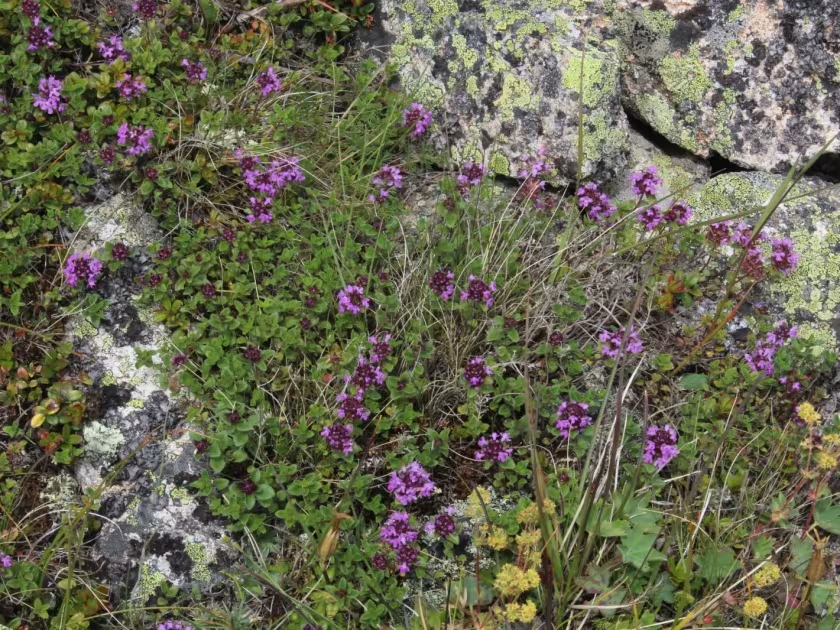
Description
Sowing dates
Sowing Thymus nummularius is typically conducted in the spring when soil temperatures reach 10-12 degrees Celsius. Professional farmers often prefer greenhouse propagation to ensure higher seedling survival rates before transplanting.
Seeds should be sown shallowly, ideally at a depth of no more than 0.5 cm. Due to their small size, they require consistent surface moisture during the germination period, which typically spans from two to three weeks.
When transplanting seedlings into the field, a row spacing of 40-50 cm is recommended. This setup facilitates efficient mechanical weeding and ensures that the plants receive adequate airflow to prevent fungal issues.
For large-scale production, vegetative propagation using stem cuttings is a viable alternative. This method guarantees genetic uniformity and allows for a more predictable harvest timeline compared to seed-grown crops.
Early spring is the optimal time for field establishment. Proper soil compaction after sowing ensures that the tiny seeds maintain contact with the moisture-rich soil particles, significantly improving the overall germination success rate.
Growing requirements
Thymus nummularius, a member of the Lamiaceae family, is a sun-loving plant that requires full exposure for optimal growth. Insufficient light levels often result in leggy stems and lower essential oil yields.
The plant thrives in well-drained, sandy-loam soils. It is particularly sensitive to waterlogging; therefore, selecting an elevated site with excellent drainage is crucial for preventing root rot and ensuring plant longevity.
Soil pH should remain in the range of 6.0 to 7.5. If the soil is excessively acidic, amendments like lime should be incorporated prior to planting to optimize nutrient uptake and support root health.
Once established, the plant is quite drought-tolerant. However, supplemental irrigation is beneficial during critical growth phases in dry regions, provided that water is not left to stagnate around the plant base.
The agronomic management of this crop includes regular cultivation of the inter-row spaces. This practice helps to manage weed pressure and promotes soil aeration, which is vital for the health of thyme roots.
Main diseases and pests
The most common threats to thyme plantations are fungal infections like powdery mildew and various root rots. These are primarily caused by excessive soil moisture and poor air circulation within the field.
Pests such as weevils and leaf beetles can cause significant damage to the foliage. Monitoring these populations during the peak growth season is essential for preventing widespread crop degradation.
Integrated pest management (IPM) is the preferred approach for this crop. Because Thymus nummularius is used for culinary and medicinal purposes, the use of synthetic pesticides is strictly regulated.
Maintaining a healthy crop rotation cycle is the best defense against soil-borne pathogens. It is generally recommended not to replant thyme on the same plot for more than five consecutive years.
Proactive cultural practices, such as removing debris and weeds from the field, significantly reduce the risk of infection. A clean field environment is the foundation of successful thyme production.
Harvesting
Harvesting is performed during the full bloom stage to maximize the plant's essential oil content and biological activity. This is the period when the crop achieves its peak quality for commercial use.
Plants should be cut approximately 5-7 cm above the ground. Avoiding damage to the woody base of the plant is vital to ensure rapid regrowth and long-term viability of the plantation across multiple seasons.
Immediately after cutting, the harvest should be moved to a drying facility. Drying must take place in the shade with excellent ventilation; exposure to direct sunlight causes essential oils to evaporate and the leaves to lose color.
Stored thyme should be kept in airtight containers in a cool, dark environment. This prevents degradation of active compounds and maintains the aromatic profile of the dried herb for up to two years.
Post-harvest management involves clearing the field of debris to prevent disease overwintering. With proper care and timely harvesting, a single plantation can remain productive for several years of consecutive yield.