
Lantanaphyllum viburnum
Viburnum x rhytidophylloides J. V. Suringar
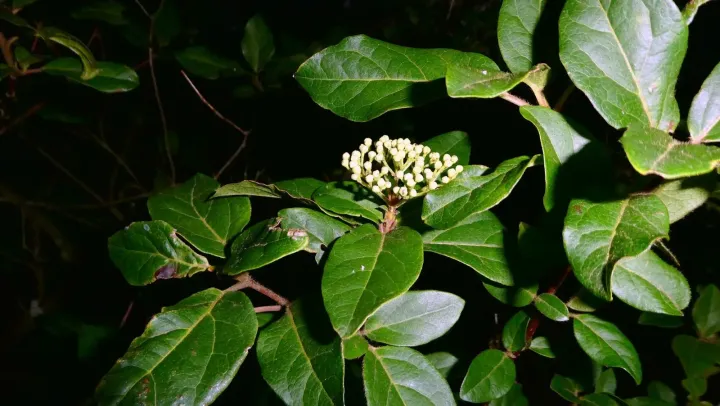
Description
Sowing dates
Propagation of the Lantanaphyllum viburnum is typically achieved through vegetative methods such as softwood cuttings, layering, or division of the root system. Planting container-grown shrubs is possible throughout the growing season, though spring or early autumn remains the most favorable time.
While seed propagation is possible, it is rarely used by gardeners due to the complex dormancy cycle. Seeds require a long period of warm and cold stratification, often taking up to 18 months to germinate, making cuttings a significantly more efficient and reliable method for propagation.
The planting hole should be spacious and enriched with well-rotted organic matter, such as compost or peat, to provide necessary nutrients. Ensure a spacing of 1.5 to 2 meters between plants to allow for adequate airflow, which is critical for reducing the risk of fungal infections.
After planting, thorough watering is essential to settle the soil around the roots. Mulching the base of the plant with organic material like wood chips or straw helps retain moisture, suppress weed competition, and regulate soil temperature during the critical establishment phase.
For cuttings, select healthy semi-hardwood stems in mid-summer. Treating them with a rooting hormone and placing them in a well-draining substrate under high humidity conditions will significantly increase the success rate of root development before winter dormancy.
Growing requirements
The Lantanaphyllum viburnum (Viburnum x rhytidophylloides) is a hybrid resulting from a cross between Viburnum rhytidophyllum and Viburnum lantana. As a member of the Adoxaceae family, it is highly valued for its handsome, leathery, semi-evergreen foliage and structural presence in landscape designs.
This shrub performs best in full sun to partial shade. While it is hardy in moderate climates, young plants benefit from being placed in locations sheltered from harsh winter winds, which can desiccate the evergreen foliage and cause winter burn on the tips of the leaves.
It adapts well to a variety of soil types, provided they are moist and well-drained. The ideal soil is a fertile loam with a neutral to slightly acidic pH. Avoid heavy clay soils that retain excessive water, as the root system is susceptible to crown rot if exposed to standing water for long periods.
Regular irrigation is vital during the first few years after planting and throughout extended dry spells. Ensuring the soil stays consistently moist, but not waterlogged, promotes healthy foliage growth and ensures the plant produces its characteristic clusters of berries in late summer.
Pruning should be performed early in the spring, just before the new growth begins. Focus on removing dead or crossing branches to maintain an open canopy structure, which improves light penetration and airflow through the center of the shrub, supporting overall plant health.
Main diseases and pests
Viburnum aphids are common pests that target the soft new growth in the spring. Their feeding causes leaves to curl and become discolored. Management involves early detection and the use of insecticidal soaps or horticultural oils to minimize population outbreaks early in the season.
Powdery mildew can affect the foliage, especially in environments with high humidity and poor air circulation. This fungal disease creates a white, dusty appearance on the leaves. Providing adequate space between plants and avoiding overhead watering can significantly reduce the risk of infection.
The viburnum leaf beetle is another significant threat, as the larvae feed on the leaf tissue and can rapidly defoliate a shrub if left untreated. Regular inspections of the undersides of the leaves for eggs or feeding larvae are crucial for timely intervention with appropriate pesticides.
Leaf spot diseases may occur if the plant is stressed or if conditions are too humid. Proper garden hygiene, which involves clearing and disposing of fallen leaves in autumn, is essential to disrupt the life cycle of pathogens that may overwinter in the garden debris.
Maintaining plant vigor through balanced fertilization and proper mulching creates a resilient specimen less likely to succumb to pest damage. A healthy, well-maintained Viburnum x rhytidophylloides is naturally better equipped to withstand minor attacks from garden pests and diseases.