
Southern arrowwood
Viburnum dentatum L.
Description
Growing requirements
Southern arrowwood (Viburnum dentatum) is a deciduous shrub belonging to the Adoxaceae family, native to North America. Its natural range spans from the eastern regions of the United States to the Midwest, where it typically inhabits moist woods, thickets, and floodplain edges.
This shrub is highly valued in horticulture for its adaptability to various environmental conditions. It thrives in full sun to partial shade and prefers moist, fertile soils, although it exhibits a remarkable tolerance for various soil types and moisture levels once established.
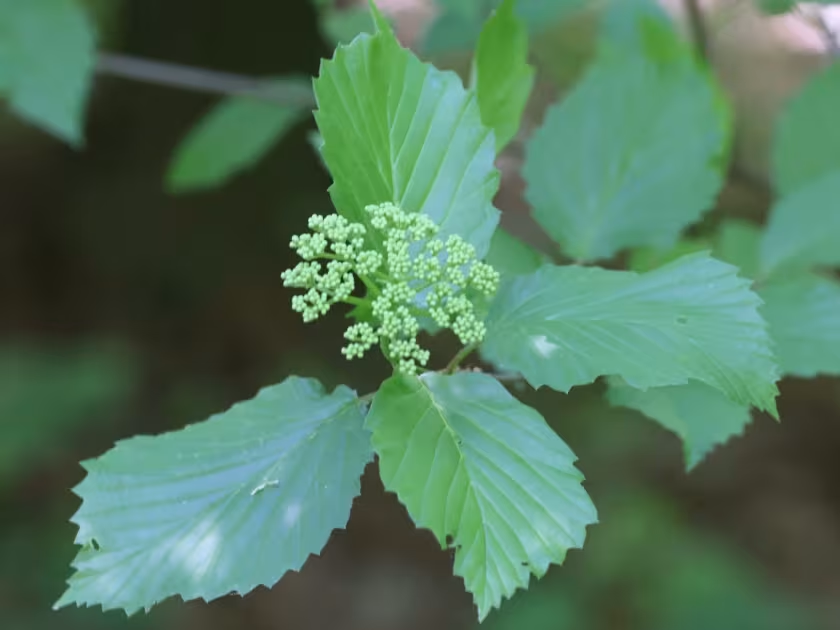
The botanical characteristics of this species include ovate, coarsely toothed leaves and clusters of white flowers that bloom in late spring. These blooms are followed by blue-black drupes, which serve as an important food source for local bird populations.
Cultivation requirements involve ensuring consistent soil moisture during the initial establishment phase. Once mature, the shrub is relatively low-maintenance, requiring only minimal pruning to maintain a desirable structure or to remove dead branches.
Incorporating organic mulch around the root zone helps regulate soil temperature and moisture. Regular monitoring for nutrient deficiencies and seasonal applications of balanced fertilizers can significantly enhance the plant's overall vigor and resistance.
Main diseases and pests
The viburnum leaf beetle is the most significant pest affecting the health and aesthetic value of Southern arrowwood. Its larvae cause severe damage by skeletonizing leaves, which may weaken the plant if left uncontrolled.
Fungal diseases, including powdery mildew and various leaf spot pathogens, can occur if the plant is situated in areas with poor air circulation or excessive humidity levels during the growing season.
Integrated pest management strategies are recommended, focusing on early detection of larvae or adults and the selective application of insecticides to prevent widespread defoliation.
Sanitation practices are essential for managing diseases, such as removing and disposing of fallen foliage that may harbor fungal spores or insect overwintering stages.
Proactive care, including proper spacing during planting and timely thinning of the canopy, significantly improves airflow, thereby reducing the likelihood of humidity-related infections.