
Guelder rose
Viburnum opulus L.
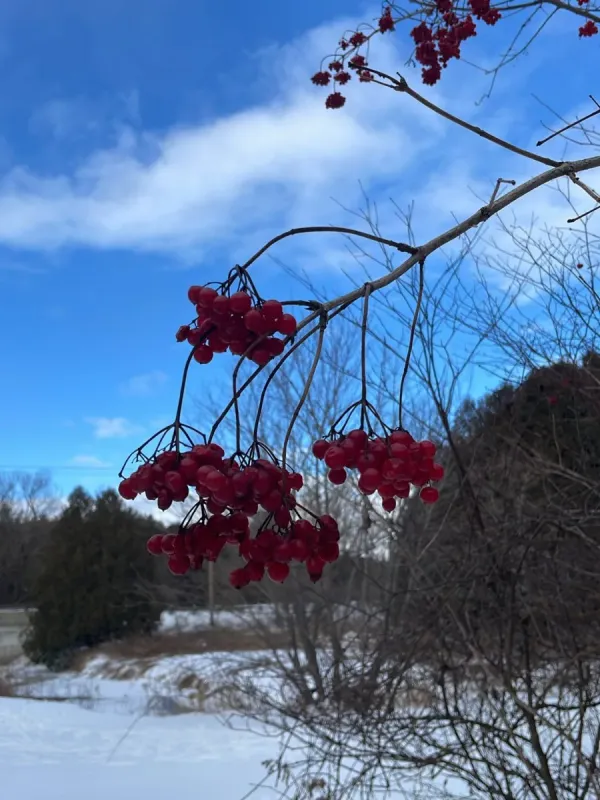
Description
Sowing dates
Planting of Viburnum opulus is recommended during the autumn season, ideally several weeks before the onset of the first significant frost.
For the best establishment, growers use healthy 1–2-year-old seedlings with well-developed root systems and strong stems.
Propagation can be achieved through seeds, although it requires a prolonged period of stratification and is less common than vegetative propagation.
Cuttings are the preferred method for commercial planting as they ensure the preservation of the desired characteristics of the parent plant.
When establishing a plantation, sufficient space should be allocated between rows and individual plants to allow for healthy development and easy maintenance.
Growing requirements
Viburnum opulus belongs to the Adoxaceae family and is a resilient, deciduous shrub that thrives in temperate climate zones across the globe.
The plant demonstrates a high preference for moist, fertile soils, often showing exceptional growth rates in locations with sufficient water availability.
While it is adaptable to various soil types, the most vigorous growth occurs in loamy, nutrient-rich substrates with a neutral or slightly acidic pH level.
It performs best in full sun or light shade, with adequate sunlight being necessary to ensure consistent fruit production and healthy leaf coloration.
The plant is highly frost-hardy, capable of surviving harsh winter conditions without requiring special protection, making it an excellent candidate for colder regions.
Yield
Viburnum opulus usually begins to bear fruit around 3–4 years after planting, with yields gradually increasing as the shrub reaches maturity.
A mature shrub can produce a significant amount of berries, often ranging from 5 to 10 kilograms per season under optimal growing conditions.
The fruit is highly valued for its medicinal properties and culinary uses, including the production of syrups, preserves, and traditional health beverages.
To ensure high yields, it is important to provide regular maintenance, including pruning and irrigation, which promotes healthy fruiting wood.
Cross-pollination between different varieties is often recommended to improve the fruit set and increase the overall productivity of the plantation.
Main diseases and pests
The viburnum leaf beetle is the most destructive pest for this culture, capable of causing massive defoliation if not managed appropriately.
Aphids frequently infest the tender young shoots, causing leaf curling and potentially serving as vectors for various plant viral infections.
Powdery mildew is a common fungal threat that appears as a white coating on the leaves, especially in humid and poorly ventilated conditions.
- Regular inspection of leaves and stems for early pest detection.
- Pruning to ensure good airflow within the shrub's canopy.
- Use of organic or chemical control methods during the active growth phase.
Proactive management of these threats is essential to maintain the health and vigor of the shrubs throughout the entire growing season.
Harvesting
Harvesting usually takes place in late autumn, typically after the first frosts, which help to mellow the tart flavor profile of the berries.
Berries should be gathered in clusters, using clean cuts to avoid damaging the branches and the future development of next year's fruit buds.
Harvested fruit is quite durable and can be kept in a cool, ventilated area or frozen for long-term use in various culinary or medicinal applications.
The harvest process is straightforward, as the berries are generally well-attached to the stems and are not prone to premature shattering.
After harvesting, it is important to sort the berries, removing any debris or damaged fruit to ensure the high quality of the final product.