
Linden viburnum
Viburnum dilatatum Thunb.
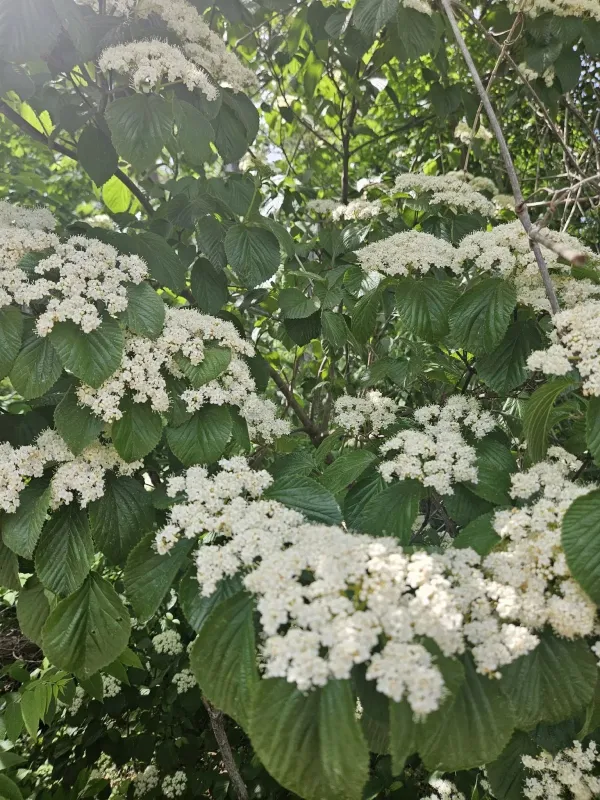
Description
Growing requirements
Linden viburnum (Viburnum dilatatum) belongs to the Adoxaceae family. It is a deciduous shrub native to East Asia, primarily found in temperate forests across China, Korea, and Japan.
The plant thrives in sites with full sun to partial shade. Exposure to direct sunlight is crucial for the development of its signature brilliant red berries and autumn foliage colors.
It requires moist, well-drained, and nutrient-rich soil. While it tolerates various soil types, it performs best in slightly acidic loam that is high in organic matter.
Regular irrigation is necessary, especially during the establishment phase. Mature plants are moderately tolerant of dry spells, but consistent moisture levels ensure optimal bloom density.
Maintenance includes pruning after flowering to maintain the desired shape and size. Dead or damaged branches should be removed annually to promote healthy new growth and airflow.
Main diseases and pests
Linden viburnum is susceptible to several pests, with the viburnum leaf beetle being the most significant threat. Its larvae can defoliate the plant if left unchecked.
Aphids frequently colonize new growth in the spring. They cause curling of the leaves and can transmit viral diseases, necessitating early monitoring and treatment.
Powdery mildew is a common fungal disease associated with this species. It appears as a white, dusty coating on leaves, often occurring in crowded or humid planting conditions.
Preventative strategies include proper spacing to facilitate air movement through the foliage, which reduces the humidity levels that favor fungal pathogen growth.
Integrated Pest Management (IPM) practices, including the use of horticultural oils and systemic insecticides, are recommended when infestations exceed economic or aesthetic thresholds.