
Wayfaring tree
Viburnum lantana L.
Description
Sowing dates
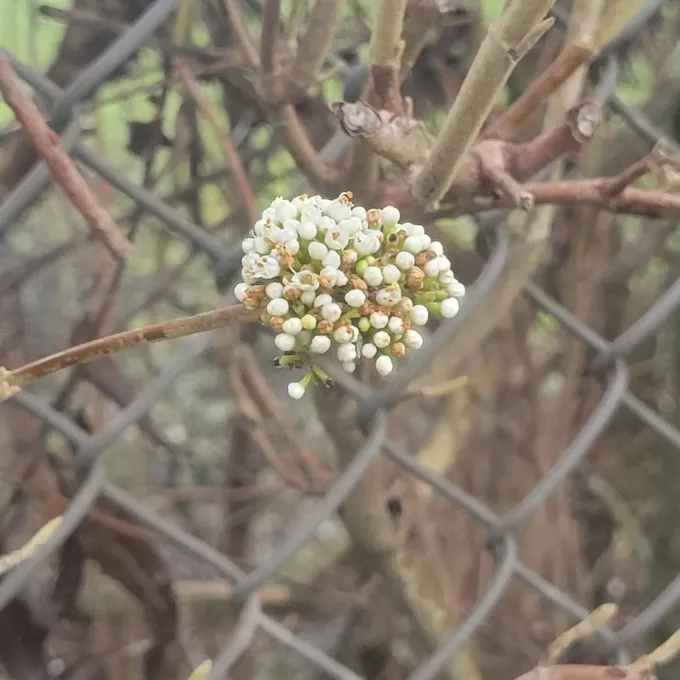
The wayfaring tree (Viburnum lantana L.) is a sturdy perennial deciduous shrub belonging to the Adoxaceae family, known for its rapid growth.
Propagation is typically achieved through seeds, which require a lengthy stratification process to break seed dormancy and ensure successful germination.
Seeds are usually sown in the autumn season, allowing them to remain in the ground over winter for natural stratification to occur.
Vegetative propagation via softwood or hardwood cuttings is a preferred method for nurseries to maintain consistency in plant quality and characteristics.
When transplanting young plants, it is crucial to ensure the root ball is well-moistened and placed in a hole of appropriate size for establishment.
Growing requirements
This shrub is highly valued for its exceptional adaptability, demonstrating significant drought tolerance once it has established a mature root system.
The wayfaring tree thrives in full sun to partial shade and is remarkably tolerant of various soil types, particularly those with a high calcium content.
While it prefers neutral to alkaline soils, it can effectively grow in poorer substrates, making it an excellent candidate for urban landscape projects.
Basic agronomic maintenance involves light pruning to preserve its attractive, rounded habit and prevent the shrub from becoming overgrown.
Fertilizing with general-purpose compost or balanced granular fertilizers during the spring growth flush supports vigorous development and vibrant foliage.
Main diseases and pests
The wayfaring tree is generally considered robust, but it can occasionally be susceptible to powdery mildew during humid and warm weather conditions.
Pests such as aphids and viburnum leaf beetles may target the plant; these should be managed through monitoring and integrated pest management practices.
Cultural practices such as spacing plants adequately promote airflow, which naturally reduces the risk of fungal outbreaks within the foliage canopy.
In cases of heavy infestation, selective application of horticultural oils or approved insecticides is recommended to preserve the plant's health.
Maintaining strong plant vitality through correct site selection and nutrition is the most effective way to prevent and mitigate potential pest issues.