
Burkwood viburnum
Viburnum x burkwoodii Burkwood & Skipwith
Description
Growing requirements
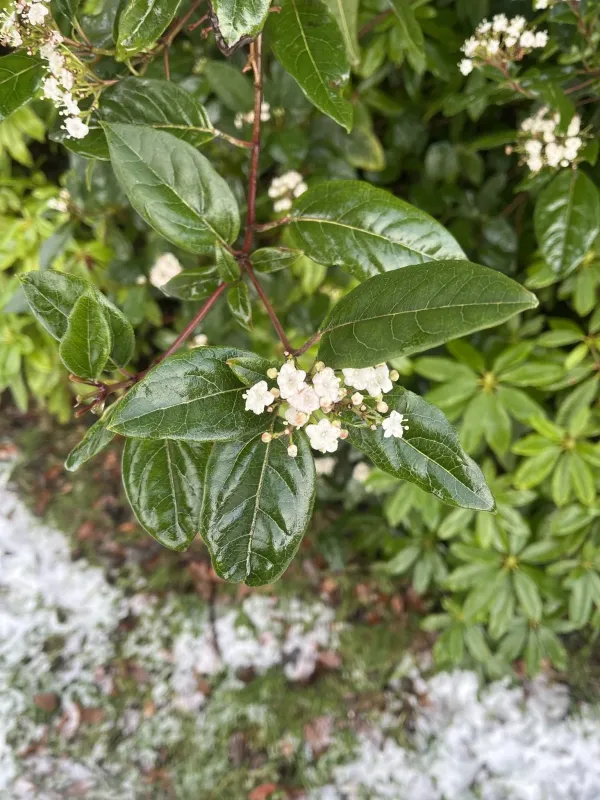
Burkwood viburnum (Viburnum x burkwoodii) is a hybrid shrub belonging to the Adoxaceae family, resulting from the crossbreeding of Viburnum carlesii and Viburnum utile. It is highly valued for its semi-evergreen foliage and fragrant spring flowers that bring a pleasant scent to the garden.
This shrub requires fertile, well-draining soil to thrive, with a preference for slightly acidic to neutral pH levels. Ensuring that the planting site does not suffer from waterlogging is crucial, as the root system is sensitive to excessive moisture during the winter months.
Regarding sunlight requirements, Burkwood viburnum performs best when planted in full sun to partial shade. Exposure to sufficient sunlight ensures the density of the shrub and promotes a more profuse blooming cycle, which is one of its most desirable characteristics.
Agrotechnical maintenance involves regular, consistent watering during the first growing seasons to establish a strong root system. Annual feeding with balanced fertilizers in early spring helps maintain the vigor of the plant and supports the development of lush foliage and fragrant blooms.
The primary use of this culture is in landscape architecture. It is frequently employed as a specimen plant, in foundation plantings, or integrated into mixed borders where its spring flowering can be fully appreciated by garden visitors.
Main diseases and pests
Common diseases affecting this shrub include powdery mildew and leaf spot, which are often exacerbated by poor air circulation or humid conditions. Proper pruning and spacing are essential strategies to reduce the risk of these fungal infections.
Insect pests such as aphids and viburnum leaf beetles can occasionally impact the plant by feeding on the tender new leaves. Regular monitoring throughout the late spring is advised to identify infestations early and prevent significant cosmetic damage.
To protect the plant, maintaining overall health through proper cultural practices is the first line of defense. If necessary, horticultural oils or appropriate insecticides can be applied to mitigate the impact of pests without harming the plant's structural integrity.