
Bodnant Viburnum
Viburnum x bodnantense Aberc. x V. suspensum Lindl.
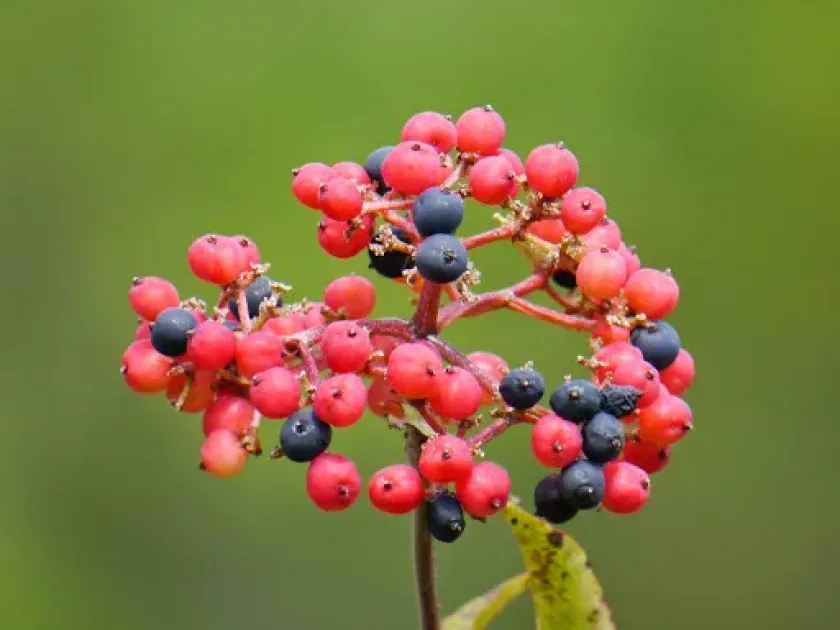
Description
Growing requirements
Bodnant Viburnum (Viburnum x bodnantense) is a deciduous flowering shrub belonging to the Adoxaceae family. It is a highly valued ornamental hybrid known for its exceptionally fragrant, pinkish-white flowers that emerge on bare wood, often in mid-winter or very early spring.
The plant thrives in fertile, moisture-retentive, and well-drained soils. Ideally, the pH should be slightly acidic to neutral. High-quality organic matter, such as compost or well-rotted manure, should be incorporated into the soil during planting to ensure long-term nutrient availability.
Cultivation requires a location with full sun to partial shade. While it is reasonably hardy, providing shelter from harsh, desiccating winds is crucial to protect the delicate early buds and blooms. Proper placement significantly enhances the shrub's overall health and longevity.
Maintenance practices involve consistent watering, particularly during dry spells in the summer when the plant is setting buds for the following year. Mulching around the base of the plant is highly recommended to retain soil moisture and suppress competitive weed growth.
The primary use of Bodnant Viburnum is within ornamental landscape design. Its ability to provide winter interest makes it a perfect choice for foundation plantings, mixed shrub borders, or as a standalone specimen near entryways where its fragrance can be easily appreciated.
Main diseases and pests
Like many species in the Viburnum genus, Bodnant Viburnum can be susceptible to various fungal diseases, such as powdery mildew or leaf spot. These issues are often exacerbated by poor air circulation or overcrowding in the landscape design.
Pests, particularly aphids and the viburnum leaf beetle, are common threats. Regular monitoring of the foliage, especially during the spring flush, allows for early detection and intervention, which is essential to prevent extensive damage to the shrub's aesthetic appeal.
Overwatering or poor drainage can lead to root rot, a silent threat that can cause rapid decline. Ensuring the planting site has adequate permeability is a fundamental step in preventing long-term soil-borne health issues for the shrub.
Nutrient deficiency is another factor that can impact the plant's resistance to environmental stress. A balanced fertilization program, tailored to the specific nutrient levels of the local soil, helps maintain a vigorous plant that is better equipped to defend itself against pathogens.
Sanitation is key to disease management. Removing dead or diseased wood during the pruning process minimizes the reservoir for fungal spores and bacterial infections, keeping the shrub in optimal condition throughout the growing season.