
Siebold viburnum
Viburnum sieboldii Miq.
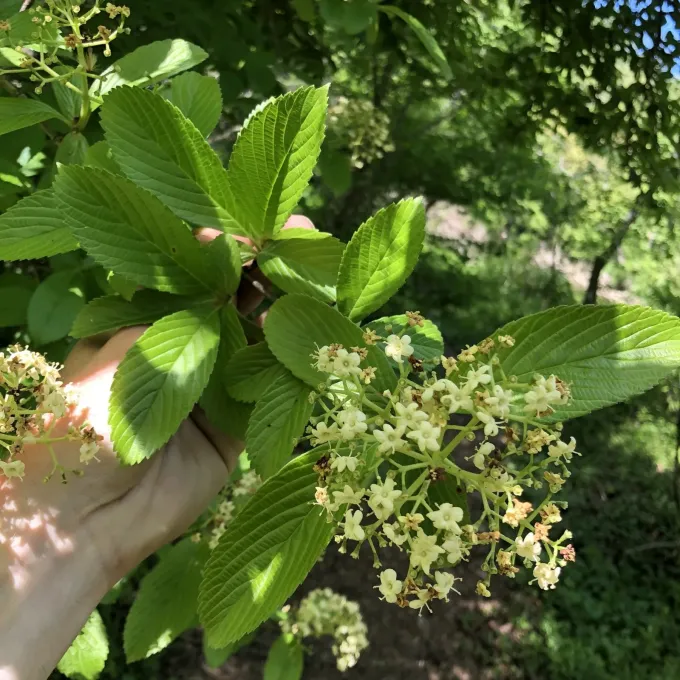
Description
Growing requirements
Siebold viburnum (Viburnum sieboldii Miq.) is a member of the Adoxaceae family, native to Japan, and is widely prized as an ornamental shrub or small tree.
It thrives in locations with full sun to partial shade, requiring a planting site that offers protection from harsh winds to maintain the integrity of its large leaves.
The ideal soil for this species is deep, fertile, and well-drained, with a slightly acidic to neutral pH balance to ensure optimal nutrient uptake and root development.
Irrigation management is crucial during the plant's establishment phase and in dry summer months to prevent premature leaf wilting and stress.
Regular mulching around the base of the plant helps retain soil moisture and suppresses weeds, contributing to the overall health and vigor of the shrub.
Main diseases and pests
While generally robust, Siebold viburnum can be susceptible to fungal infections like powdery mildew, especially in humid and poorly ventilated conditions.
Common garden pests such as aphids and leaf beetles pose the most significant risk to young foliage, often requiring active monitoring and intervention.
Effective management includes sanitation practices, such as pruning out diseased branches and disposing of fallen foliage to break the cycle of infection.
Chemical control should be applied sparingly, targeting only the affected areas with approved horticultural oils or systemic insecticides when infestation occurs.
Maintaining a healthy environment through proper plant spacing ensures adequate airflow, which is the best long-term strategy for preventing disease outbreaks.