
Viburnum propinquum
Viburnum propinquum Hemsl.
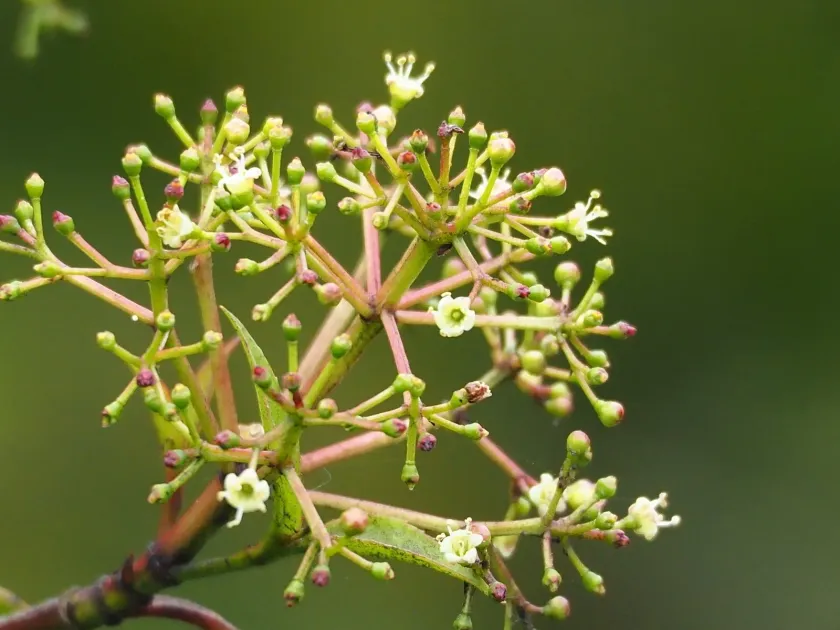
Description
Growing requirements
Viburnum propinquum is an evergreen shrub belonging to the Adoxaceae family. It is native to the mountainous regions of China, where it typically thrives in humid forest habitats, displaying high ornamental value throughout the year.
This species requires well-draining, fertile soil rich in organic matter. A neutral to slightly acidic pH level is ideal for healthy root development and efficient nutrient uptake throughout the growing season.
The plant is adapted to moderate climates and shows sensitivity to severe frost. In areas with harsh winters, it is necessary to provide significant protection or cultivate the plant in containers that can be moved to sheltered locations.
Regarding light conditions, Viburnum propinquum prefers partial shade or dappled sunlight. Intense direct sunlight, especially in the afternoon, can scorch its deep green leaves and stress the plant, hindering its growth.
Agricultural management involves regular watering, especially during the dry summer months, and supplemental feeding with balanced fertilizers. Minimal pruning is usually sufficient to maintain a balanced, dense habit.
Main diseases and pests
Like many species in the Viburnum genus, this plant is susceptible to various fungal diseases such as leaf spot and powdery mildew. These issues often arise in environments with poor air circulation and high humidity.
Aphids represent a significant pest risk, particularly in spring when they feed on tender new growth. Infestations can lead to curled leaves and the spread of secondary viral infections if left untreated.
Scale insects can also infest the stems and undersides of leaves, draining sap and weakening the plant. Regular monitoring is essential to catch early signs of these pests before they spread across the shrub.
Root rot is a common complication caused by waterlogged soil conditions. Ensuring the planting site has excellent drainage is the most effective preventative measure against this often fatal issue.
Integrated pest management, including cultural practices like proper spacing and the use of appropriate chemical controls when necessary, is vital for maintaining the health and longevity of this evergreen shrub.