
Viburnum phlebotrichum
Viburnum phlebotrichum Siebold & Zucc.
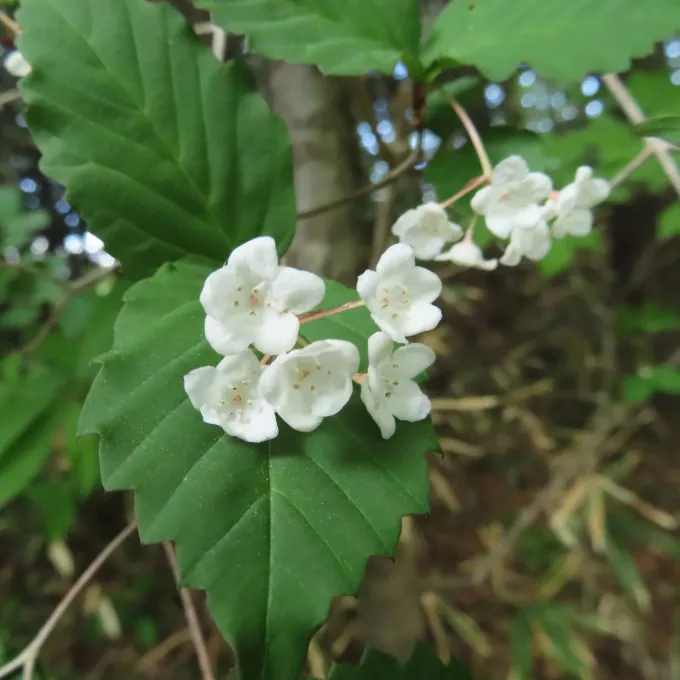
Description
Growing requirements
Viburnum phlebotrichum is a deciduous shrub belonging to the Adoxaceae family. It is distinctively recognized by the fine, hair-like venation on its leaves, which gives it a unique aesthetic appeal.
The plant originates from the mountain forests of Japan. It thrives in temperate environments that mimic its native habitat, specifically areas with consistent air humidity and mild temperatures.
Successful cultivation requires soil that is rich in organic matter and possesses excellent drainage properties. It does not tolerate waterlogging, which can quickly lead to root stress.
This shrub prefers a semi-shaded location. Exposure to intense, direct afternoon sun can lead to leaf scorching, especially in regions with hot summer climates.
Proper maintenance involves seasonal mulching to maintain soil moisture levels and ensure a stable thermal environment for the root system throughout the year.
Main diseases and pests
Powdery mildew is the most common fungal issue for this species, particularly when planted in areas with poor air circulation or high humidity levels during the summer months.
Leaf-eating beetles, which are common pests of the Viburnum genus, can defoliate the plant. Regular monitoring of the foliage is essential to prevent significant damage.
Aphid infestations are frequently observed on the tender tips of new shoots. They not only cause physical damage but can also lead to secondary viral infections in the plant.
Root rot remains a significant threat if the soil structure becomes compacted or overly saturated. Ensuring a loose, well-draining soil medium is the best preventive measure.
Effective management includes maintaining plant vigor through proper site selection and utilizing targeted pesticide treatments only when pest populations reach economic thresholds.