
Sargent viburnum
Viburnum opulus L. var. sargentii (Koehne) Takeda
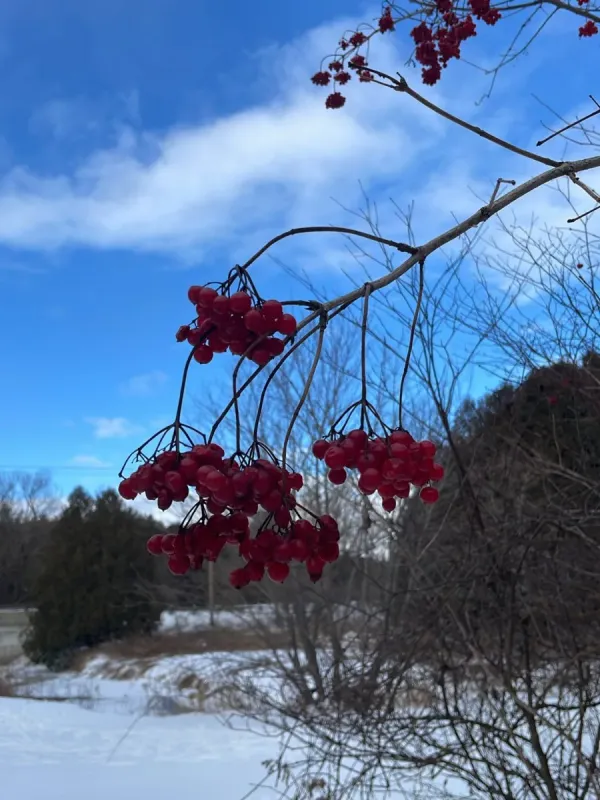
Description
Growing requirements
Sargent viburnum (Viburnum opulus L. var. sargentii) is a deciduous perennial shrub belonging to the Adoxaceae family. It is native to East Asia, including regions of the Russian Far East, China, Japan, and the Korean Peninsula, typically found in moist woodland habitats.
The plant thrives in moist, fertile, loamy soils with a pH ranging from slightly acidic to neutral. It is highly valued in agriculture for its exceptional cold hardiness, making it suitable for cultivation in northern latitudes where other cultivars might fail.
Sargent viburnum requires full sun to partial shade for optimal growth. While it is adaptable to various conditions, consistent soil moisture is essential during the active growing season to ensure robust fruit development and overall plant vitality.
Standard agricultural practices include mulching to conserve soil moisture and suppress competitive weeds. Annual fertilization with organic matter or balanced nitrogen-phosphorus-potassium blends supports healthy foliage growth and high yield potential.
Beyond its agricultural value as a berry crop, it is widely utilized for its ornamental traits. The shrub's distinct lobed leaves and bright, persistent berries make it an excellent choice for landscaping and ecological shelterbelts.
Main diseases and pests
The viburnum leaf beetle is the most significant threat to this species. Its larvae can defoliate entire branches, necessitating prompt intervention with systemic insecticides during the early spring before major leaf damage occurs.
Aphid infestations are also common, particularly on young, tender shoots. These pests can cause leaf curling and attract secondary fungal infections, requiring routine inspection and treatment with horticultural soap or specialized sprays.
Fungal leaf spot diseases are prevalent during periods of high humidity and poor airflow. Managing plant density and removing infected debris are critical steps in maintaining the long-term health of the viburnum plantation.
Powdery mildew can affect the shrub in warmer climates, appearing as a white dusting on the foliage. Proper spacing between shrubs ensures the necessary air circulation to mitigate the spread of this fungal pathogen.
Integrated pest management strategies involve combining regular pruning with biological controls to minimize the need for chemical applications. Maintaining overall plant vigor through proper nutrition is the best defense against pests.