
Sweet viburnum
Viburnum odoratissimum Ker Gawl.
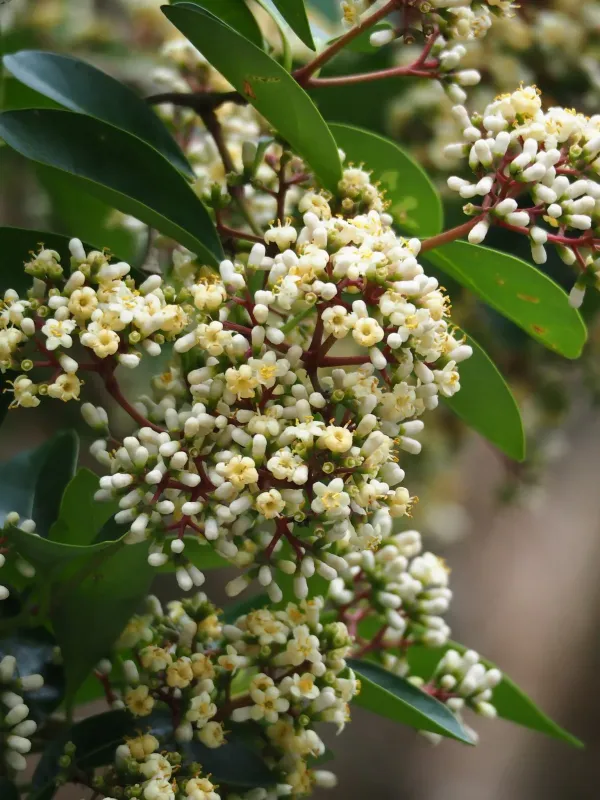
Description
Growing requirements
Sweet viburnum, or Viburnum odoratissimum, is a robust evergreen shrub belonging to the Adoxaceae family, native to the tropical and subtropical regions of Asia.
This plant thrives in warm climates and prefers locations with full sun to partial shade, where it can be protected from harsh, freezing winter winds.
It demands well-draining, nutrient-rich soil with a slightly acidic to neutral pH level to ensure optimal root development and lush foliage growth.
Consistent watering is essential, especially during the establishment phase, as the plant prefers consistently moist but not waterlogged soil conditions.
When used in professional landscaping, sweet viburnum is often pruned to maintain a formal hedge shape or allowed to grow into a large, ornamental bush.
Main diseases and pests
The primary pests affecting sweet viburnum include aphids, which often cluster on new growth, leading to leaf curling and distorted development of the plant.
Scale insects can also be a significant issue, attaching themselves to branches and trunks, where they extract sap and weaken the overall shrub structure.
Fungal diseases like powdery mildew or various leaf spot pathogens can occur if the humidity levels are too high and airflow between branches is restricted.
Integrated pest management, including the use of horticultural oils and systemic insecticides, is recommended to keep pest populations under control.
Routine sanitation and thinning out the center of the shrub help reduce the risk of disease by improving light penetration and air circulation throughout the plant.