
Bracted viburnum
Viburnum bracteatum Rehder
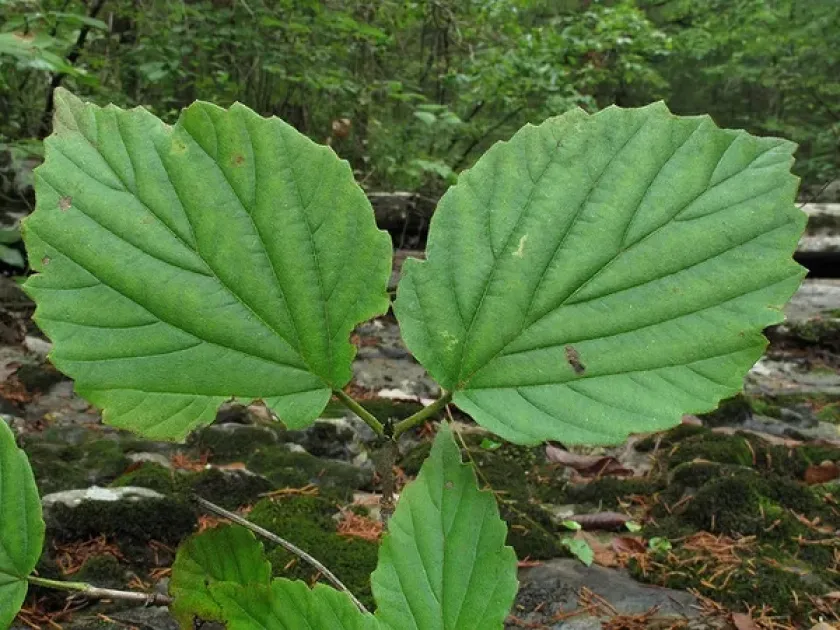
Description
Growing requirements
Viburnum bracteatum, commonly known as bracted viburnum, is a deciduous shrub belonging to the Adoxaceae family. It is native to specific regions in the Southeastern United States, where it thrives in woodland environments.
This shrub prefers locations with partial shade to full sun. While adaptable to various conditions, it performs best in soils that are moist but well-drained, mirroring its natural forest floor habitat.
Soil fertility is important for optimal health. Incorporating organic matter such as compost during the planting phase provides the necessary nutrients for the plant to establish a strong root system.
Maintenance involves regular watering during dry spells, as the species is not highly drought-tolerant. A layer of organic mulch around the base helps retain soil moisture and stabilizes temperature.
Pruning should be performed after the flowering season. Removing dead or crossing branches promotes better airflow and light penetration, ensuring the plant maintains a vigorous growth habit.
Main diseases and pests
The primary pests affecting bracted viburnum include viburnum leaf beetles and aphids. Early detection is essential to prevent significant defoliation and stunted growth during the spring months.
Powdery mildew is a common fungal threat that appears as a white coating on the leaves. It is often encouraged by poor air circulation and high humidity levels in the planting site.
Leaf spot diseases may occur, requiring the removal of infected foliage to reduce the fungal spore load in the immediate environment surrounding the shrub.
Integrated Pest Management (IPM) practices are highly recommended. This includes encouraging beneficial insects, which can naturally control populations of harmful pests like aphids.
Chemical control should be used as a last resort, specifically selecting products that target the identified pest while minimizing impact on non-target pollinators in the garden.