
Hybrid mullein
Verbascum x hybridum Brot.
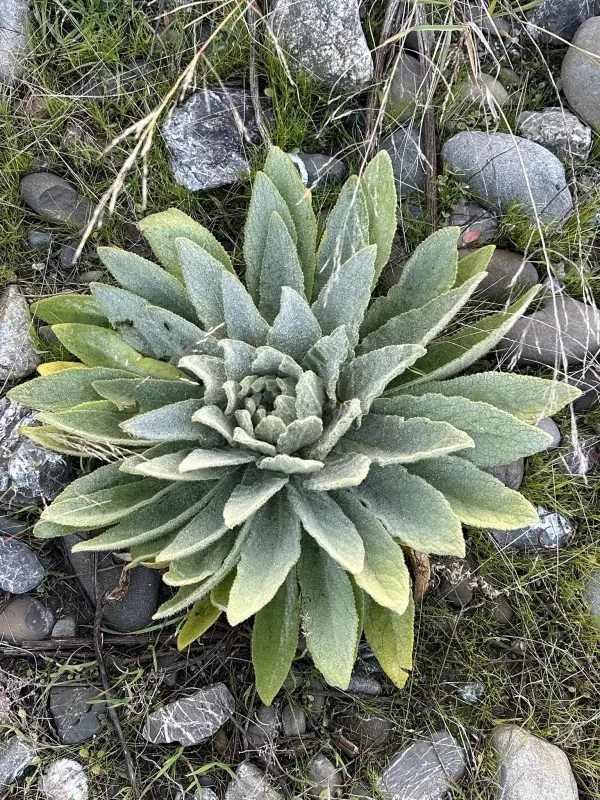
Description
Sowing dates
Hybrid mullein, belonging to the Scrophulariaceae family, is a popular ornamental perennial. The seeds are very small and should be sown indoors in March or April. Surface sowing is essential as the seeds require exposure to light for optimal germination rates.
When sowing outdoors, it is best to wait until the soil warms up in late May. The seeds should be pressed lightly into the surface of the soil. Providing consistent moisture and keeping the seedbed free of weeds is crucial during the initial stages of seedling development.
Thinning is a necessary step after the seedlings reach a height of 5–8 centimeters. A spacing of at least 30 to 40 centimeters between plants ensures that each specimen receives sufficient air circulation, which significantly reduces the risk of fungal infections.
Temperature management plays a vital role in successful cultivation. Keeping the substrate temperature around 20 degrees Celsius promotes uniform sprouting. Once the plants reach the four-leaf stage, they become quite hardy and ready for transplantation to their permanent location.
Self-seeding is a natural characteristic of hybrid mullein. If one wishes to manage the population, deadheading the flower spikes before they reach full seed maturity is an effective way to prevent the plant from spreading uncontrollably throughout the garden.
Growing requirements
This crop thrives in full sun, requiring at least six to eight hours of direct sunlight daily to reach its maximum height and flower density. Partial shade often results in weak, leaning stems that lack the structural integrity to support the heavy floral spikes.
Soil conditions should ideally be sandy or loamy with excellent drainage. Hybrid mullein is highly intolerant of waterlogged soil, which quickly leads to crown rot. Incorporating coarse sand or gravel into the planting hole is recommended for heavy clay soils.
The plant is known for its remarkable drought tolerance once established. Deep, infrequent watering is superior to light, daily sprinkling, as it encourages the roots to penetrate deeper into the subsoil, making the plant more resilient during prolonged hot weather.
Low-fertility soils are often preferred by mullein, as excessive fertilization creates lush, succulent growth that is more susceptible to pests and diseases. A light application of a balanced slow-release fertilizer in early spring is generally sufficient for healthy growth.
Winter hardiness is excellent across temperate zones. The plant forms a basal rosette of fuzzy, grey-green leaves that remain hardy during the winter. Removing dead leaves in early spring helps the plant redirect its energy towards the production of new flower spikes.
Main diseases and pests
Powdery mildew is the most common disease affecting hybrid mullein, especially during humid summers. It presents as a white, dusty layer on the foliage. Improving air circulation by proper spacing and keeping the leaves dry when watering helps prevent outbreaks.
Root rot is a major threat in soils with poor drainage. Once the roots start to decay, the plant often wilts rapidly and cannot be recovered. Planting on slightly elevated beds or ridges is an effective cultural practice to mitigate this risk.
The mullein moth caterpillar is the most destructive pest, specifically targeting the leaves and buds. Regular monitoring, particularly during the flowering season, is recommended. Hand-picking the larvae is a simple and effective control method for small plantings.
Aphids can accumulate on the flower stalks, leading to stunted or distorted blooms. In cases of heavy infestation, using insecticidal soaps or neem oil is considered a safe and effective approach that minimizes the impact on beneficial pollinators like bees.
- Ensuring good drainage to prevent fungal issues.
- Implementing regular weeding to reduce pest habitats.
- Monitoring foliage for early signs of caterpillar damage.