
Purple mullein
Verbascum phoeniceum L.
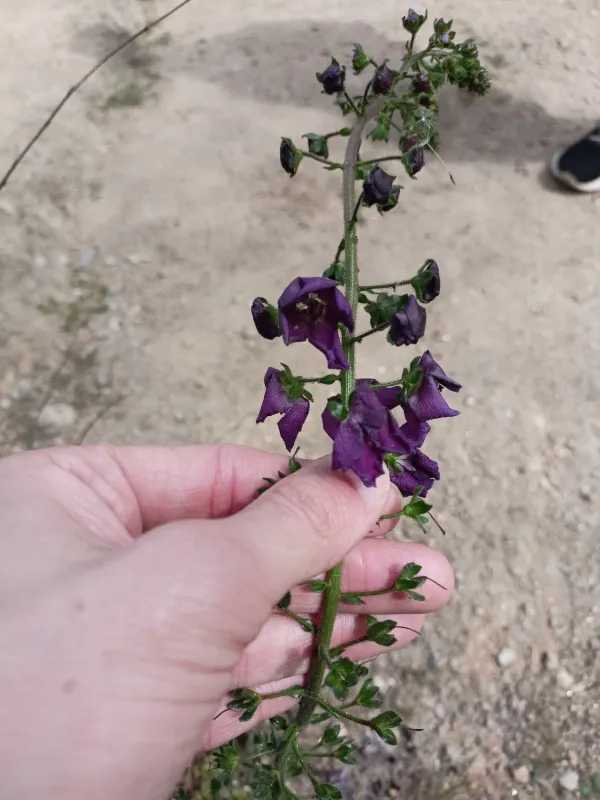
Description
Sowing dates
Purple mullein (Verbascum phoeniceum L.) belongs to the Scrophulariaceae family. In agricultural and horticultural practice, it is primarily propagated by seeds, which are sown either in late autumn or early spring in prepared beds.
When starting from seeds indoors, sowing occurs in late winter or early spring using a lightweight, well-draining substrate. Because the seeds are tiny, they should be surface-sown and only lightly pressed into the soil to ensure access to light for germination.
After reaching the stage of having 2–3 true leaves, the seedlings are transplanted into individual containers. This phase is critical for establishing a robust root system before moving the plants to their final permanent location in the garden.
For uniform germination, it is essential to maintain soil temperatures between 18 and 20 degrees Celsius. Providing sufficient light to the seedlings during this stage is vital to prevent etiolation and promote healthy, compact growth.
Transplanting to the field or permanent site requires well-tilled soil free of weeds. Proper spacing of 30–40 cm between plants is recommended to facilitate optimal airflow and minimize the risk of moisture-related diseases.
Growing requirements
The plant thrives in sunny, open locations with light, well-draining soils. It does not tolerate waterlogging, so providing adequate drainage is essential, especially in clay-heavy soil environments.
Purple mullein is generally tolerant of low-fertility soils, though it benefits from moderate applications of balanced fertilizers during the active growing season to enhance flower production and overall plant health.
This species is highly drought-tolerant, making it an excellent choice for low-maintenance landscapes. Irrigation should primarily be focused on young plants or during prolonged summer heatwaves to ensure consistent development.
After flowering, removing the spent stalks is beneficial for the plant's long-term health. This maintenance task prevents the plant from wasting energy on seed production and supports the development of a healthy basal leaf rosette.
The plant demonstrates remarkable hardiness and adapts well to varying climatic conditions. It is typically resilient through winter months, needing little more than light mulching in areas prone to severe, snowless freezes.
Main diseases and pests
Fungal diseases are the primary threat, especially in humid conditions. Powdery mildew is the most common issue, appearing as a dusty white coating on leaves and potentially hindering photosynthesis if left untreated.
Leaf spot diseases can also occur if air circulation is poor or if the foliage remains wet for extended periods. Pruning affected leaves and maintaining proper spacing are the most effective cultural controls for these issues.
Slugs and snails can cause significant damage to the basal rosettes, especially in the early spring months. Using protective barriers or approved bait can prevent these pests from ruining the plant's foliage.
Aphids may occasionally attack the flower spikes during hot, dry periods. Integrated pest management strategies, such as using gentle insecticidal soaps, can help control populations while preserving the local insect ecosystem.
Regular cultivation of the soil around the plants and ensuring weed-free beds are essential for reducing the habitat of pests and pathogens, ultimately ensuring the longevity and health of the crop.