
Moth mullein
Verbascum blattaria L.
Description
Sowing dates
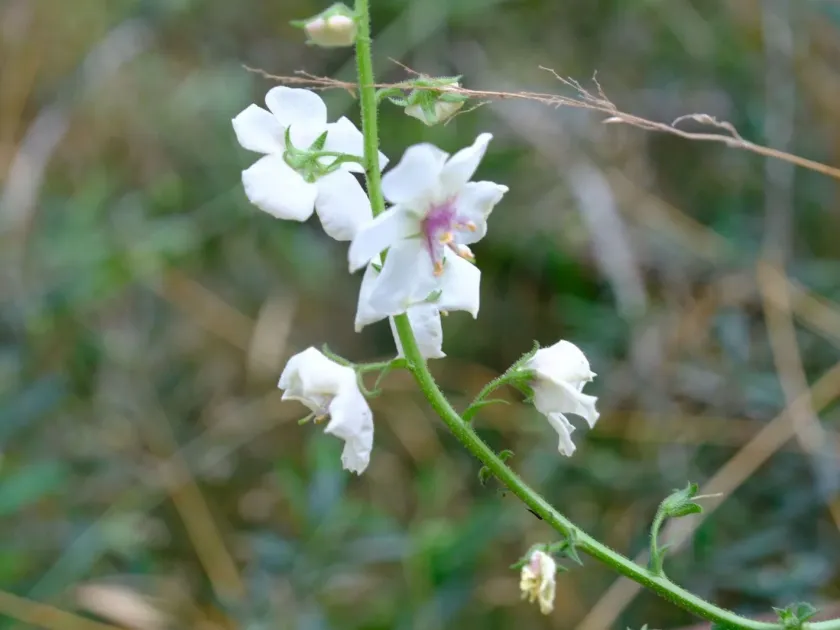
Moth mullein (Verbascum blattaria L.) is a biennial herb belonging to the Scrophulariaceae family. In its first year, it develops a basal rosette, and in the second year, it produces a tall, elegant flowering stalk.
Propagation is primarily achieved through seeds. Because the seeds are tiny, they should be sown on the soil surface or covered with a very thin layer of substrate to ensure proper germination.
Sowing typically takes place in late autumn or early spring. Consistent moisture is essential during the germination period to ensure a uniform emergence of seedlings.
The crop thrives in well-aerated, loose soils, making site preparation through deep plowing or tilling a prerequisite for successful cultivation.
Spacing between plants should be carefully managed to prevent overcrowding, which allows for better air circulation and reduces the risk of fungal infections.
Growing requirements
Moth mullein is highly adaptable to various environmental conditions, but it excels in full sun exposures where it receives maximum daylight for photosynthesis.
The plant prefers well-drained soils and is notoriously sensitive to waterlogged conditions, which can lead to root rot. Sandy or gravelly soils are often preferred by the species in the wild.
It demonstrates remarkable drought tolerance once established, making it a low-maintenance crop in regions with irregular precipitation patterns.
Fertilization is generally minimal; however, low nitrogen inputs during the rosette stage can enhance the vegetative growth significantly.
Regular weeding is mandatory in the first few months to eliminate competitors, as young mullein plants are slow to establish their dominance over surrounding vegetation.
Main diseases and pests
The plant is relatively resilient, but it can be susceptible to powdery mildew during humid, stagnant air conditions, which manifests as white dust on the leaves.
Insect pests, such as leaf-eating beetles and certain moth larvae, occasionally target the foliage, causing ragged edges and impacting overall plant vitality.
Integrated pest management, including crop rotation and the encouragement of beneficial insects, is the most effective approach for maintaining healthy plant stands.
In cases of heavy infestation, manual removal of affected leaves or the use of mild botanical-based insecticides can be employed to manage the pest pressure.
Preventative monitoring during the rapid growth phase of the flowering stalk is crucial to identify and mitigate any potential disease outbreaks before they spread.