
Pyramid mullein
Verbascum pyramidatum M. Bieb.
Description
Sowing dates
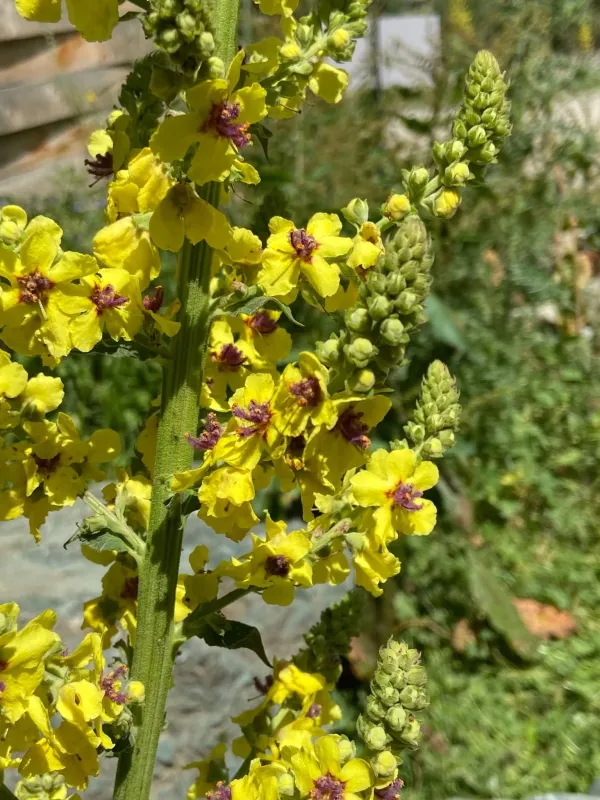
Pyramid mullein (Verbascum pyramidatum) is a herbaceous perennial belonging to the Scrophulariaceae family, known for its elegant, spire-like flower spikes.
For successful propagation, seeds are typically sown in late autumn or early spring, as they often require a period of cold stratification to break dormancy.
The seeds are extremely small, necessitating a shallow planting depth of approximately 1 centimeter in a fine, well-prepared seedbed.
Proper spacing is crucial; plants should be thinned to allow adequate airflow, which prevents the development of fungal diseases later in the season.
During the first year, the plant concentrates its energy on developing a strong basal rosette, while the iconic flowering stalk emerges in the second year.
Growing requirements
This species thrives in full sun, requiring at least 6 to 8 hours of direct light daily to maintain its vigorous vertical growth habit.
Pyramid mullein prefers well-drained, sandy or gravelly soils and exhibits remarkable tolerance for poor or rocky substrates where other crops might fail.
The plant is highly drought-tolerant once established, making it a suitable candidate for sustainable agriculture in arid or semi-arid regions.
Soil pH should ideally be neutral or slightly alkaline, as excessive acidity can inhibit nutrient uptake and lead to stunted development.
It is sensitive to waterlogging, so site selection should prioritize locations with excellent natural drainage to ensure the longevity of the root system.
Yield
The economic value of this crop primarily stems from its use as a medicinal plant, with the flowers being the most sought-after part of the harvest.
Yield efficiency is directly linked to the density of planting and the overall health of the soil, which supports robust inflorescence development.
In a controlled farming environment, yield can be optimized by implementing drip irrigation systems to maintain consistent, moderate moisture levels.
Biomass productivity for herbal use is highest when the plant is harvested at the peak of its blooming cycle, during the summer months.
Sustainable harvesting practices ensure that the plants continue to flower for multiple seasons, maximizing the long-term return on investment.
Main diseases and pests
Powdery mildew is the most common threat, especially in regions with high humidity or during seasons with poor air circulation between rows.
Various Lepidoptera larvae can cause significant damage by feeding on foliage, potentially reducing the plant's overall photosynthetic capacity.
Aphid infestations may occur in early summer, affecting the young inflorescences and necessitating integrated pest management approaches.
Root rot is a major risk if the soil remains waterlogged, which highlights the importance of choosing free-draining sites for cultivation.
Preventative measures include regular field scouting and the removal of infected debris to minimize the spread of pathogens during the growing season.
Harvesting
Harvesting flowers is a labor-intensive process, as each bloom must be gathered at its peak to ensure the highest concentration of active compounds.
Flowers are typically plucked by hand in the morning after the dew has evaporated, which helps maintain the quality and appearance of the final product.
Immediate drying is essential, preferably in a well-ventilated, shaded area or an industrial dryer set to low temperatures to prevent degradation.
Dried product quality is evaluated by the preservation of the bright yellow color and the absence of moisture, ensuring long shelf life.
Proper packaging in moisture-proof containers is the final step in maintaining the potency and market value of the harvested herbal material.