
Chaix's mullein
Verbascum chaixii Vill.
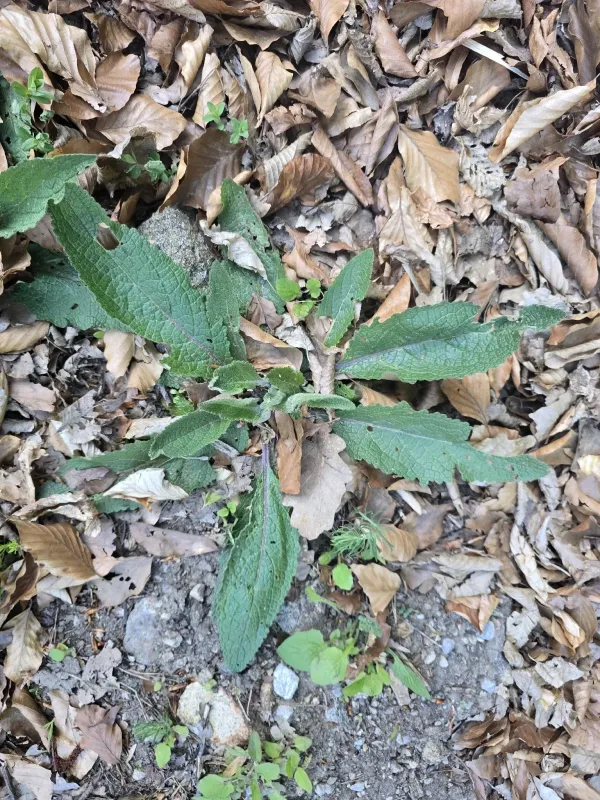
Description
Sowing dates
The seeds of Chaix's mullein are exceptionally small, requiring a surface sowing method. They are best sown in late autumn or early spring directly into the prepared garden bed, pressing them gently into the soil rather than burying them.
For greenhouse production, sowing begins in March in shallow seed trays. The seeds require consistent warmth and light to germinate successfully. Pricking out should be done once the first true leaves appear to allow the root system to strengthen.
Transplanting into the permanent growing site is performed in mid-spring after the danger of frost has passed. Spacing is crucial, with plants ideally placed at 45–50 centimeters apart to prevent overcrowding and ensure adequate airflow.
The plant often spreads via self-seeding, which is advantageous for naturalistic landscape designs. For controlled cultivation, seed heads should be harvested when they turn brown, just before they naturally release their seeds.
Consistent moisture must be maintained in the top layer of the substrate during the first two weeks of germination. Once established, however, the plant develops high drought tolerance and requires significantly less human intervention.
Growing requirements
Verbascum chaixii is a hardy perennial belonging to the Scrophulariaceae family. Originating from mountainous and rocky regions in Europe, it has adapted to thrive in harsh environments with poor soil and intense sun.
The plant features a robust taproot that allows it to reach deep moisture reserves, making it ideal for xeriscaping. It performs best in well-drained, sandy, or rocky soils, while heavy clay should be amended with grit to prevent waterlogging.
Soil pH preference is generally broad, though the plant prefers neutral to slightly alkaline conditions. It is essential to avoid overly acidic or rich, heavy soils that may cause root rot during the dormant winter months.
Full sun is a non-negotiable requirement for this species. Shade leads to rapid etiolation, where the flower spikes become weak and lean towards the light, losing their aesthetic appeal and architectural structural integrity.
Winter hardiness is high once the plant is established. In areas with extreme fluctuations between frost and thaw, adding a light layer of mulch around the base provides sufficient protection for the crown of the plant.
Main diseases and pests
The most significant pests affecting this species are caterpillars of various moth species and leaf-feeding beetles. These larvae can defoliate a plant in a matter of days if infestations are not detected and managed early.
Powdery mildew is the primary fungal threat, particularly in humid climates or areas with poor air circulation. It manifests as a white, dusty layer on the foliage, eventually causing leaves to turn yellow and drop prematurely.
Root rot is typically caused by improper soil drainage or excessive irrigation during the colder seasons. Symptoms include sudden wilting despite adequate moisture, often resulting in the death of the plant if drainage is not corrected.
Rust diseases can also impact the leaves, especially if they remain wet for extended periods. Pruning affected leaves and maintaining proper spacing are the most effective cultural controls for preventing disease spread.
- Monitor for signs of chewing on leaf margins during the growing season.
- Improve air circulation by thinning out nearby dense vegetation.
- Remove and destroy infected plant tissue immediately to contain fungus.
Harvesting
Chaix's mullein is harvested primarily for medicinal use and for dried floral arrangements. The flowers should be gathered in peak bloom, as this is when the active phytochemical compounds are at their highest concentration.
Individual flowers should be hand-picked in the morning after the dew has evaporated but before the heat of the day reaches its peak. This ensures that the delicate petals are intact and have not started to brown.
Drying must be conducted in a dark, airy location to preserve the natural pigmentation and therapeutic qualities. Sunlight causes the petals to lose their color, significantly reducing the market value of the harvested material.
For dried floral designs, the entire flower spike can be harvested as it begins to set seed. The spikes are hung upside down in a warm, dry, and dark area until the stems are stiff and the seed pods are fully dried.
Proper storage is essential; the dried product should be kept in airtight containers in a cool, dark environment. When stored correctly, the quality of the dried material remains stable for approximately two years.