
Golden mullein
Verbascum epixanthinum Boiss. & Heldr.
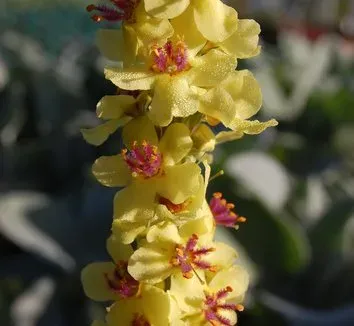
Description
Sowing dates
Sowing of Golden mullein is typically performed in the spring once the soil warms up to at least 10–12 degrees Celsius. Autumn sowing is also possible, allowing for natural seed stratification during the winter months.
The seeds of this plant are extremely small, requiring surface sowing with minimal soil coverage to ensure germination. A planting distance of 40–50 centimeters is optimal to provide sufficient air circulation for the developing rosettes.
For faster emergence, covering seedbeds with lightweight agricultural fleece is recommended until the first pair of true leaves develops. Young seedlings require consistent, light watering, as excess soil moisture can easily cause seedling mortality.
During the first year, the crop primarily focuses on developing a robust basal rosette of leaves. Transplanting to a permanent location should ideally occur at the 3–4 true leaf stage, taking care to keep the root ball intact to reduce transplant shock.
The transition to the generative phase happens in the second year, resulting in the development of a tall flowering stem. Proper sowing schedules ensure the formation of vigorous plants capable of withstanding various climatic fluctuations.
Growing requirements
Golden mullein, a member of the Scrophulariaceae family, thrives in open, sunny locations. The species is highly drought-tolerant and capable of growing in nutrient-poor, sandy, or rocky soil types.
The ideal soil conditions include light, well-drained loams with a neutral or slightly alkaline pH. Preventing waterlogging is crucial, as excessive moisture often leads to root rot and collar decay in mature specimens.
Adapted to Mediterranean climates, the plant performs best during hot summers with moderate humidity. In regions prone to harsh winters, providing light mulch or protective coverage during the first year is beneficial for survival.
Mineral fertilization should be kept to a minimum, applied primarily during the early development of the flowering stem to support vibrant blooming. Wood ash is an excellent amendment to improve soil structure and nutrient availability.
In field production, keeping the area free of weeds is essential, especially during the initial establishment period. Mature plants are highly competitive and effectively shade out lower-growing weeds as they develop.
Yield
The economic value of Golden mullein is primarily based on the harvest of its flowers, which are sought after for pharmaceutical use. Dried flower yields typically range from 3 to 6 quintals per hectare depending on management practices.
Maximum harvest yield is achieved in the second year when the plant is at its reproductive peak. To improve total output, deadheading withered inflorescences can stimulate the plant to produce secondary flower spikes.
The biological quality of the raw material is highly dependent on drying techniques, which should be conducted in shaded, well-ventilated areas to preserve essential compounds. High solar radiation during the growing season increases metabolic accumulation.
Seed production is prolific, ensuring natural regeneration and stable population densities over time. Harvest seeds once the capsules turn brown to prevent premature shedding onto the field floor.
The productive lifespan of a single seeding is generally 3–4 years before vigor and flower production begin to decline. Periodic renewal of the plot through reseeding or transplanting is recommended for consistent output.
Main diseases and pests
Primary pests of this plant include various weevils and caterpillars that consume foliage and flower buds. Utilizing biological control agents is the preferred method to manage these threats without harming essential pollinators.
In humid conditions, the plant is susceptible to powdery mildew, characterized by a white dusty coating on the leaves. Preventive measures include maintaining optimal spacing and ensuring adequate airflow between individual plants.
Rust fungi may occur during prolonged rainy periods in late summer, damaging both leaves and stems. Affected plant parts should be promptly removed and destroyed to prevent the further spread of fungal spores across the field.
Root rot remains the most serious threat, usually caused by poor drainage or excessive irrigation. Maintaining a strictly regulated moisture regime is the most effective way to avoid this fatal condition.
During extended wet weather, slugs can become a nuisance by damaging the young basal leaves. Using physical barriers, such as gravel mulching, helps deter these pests and protects the integrity of the plant rosette.