
Silver mullein
Verbascum bombyciferum Boiss.
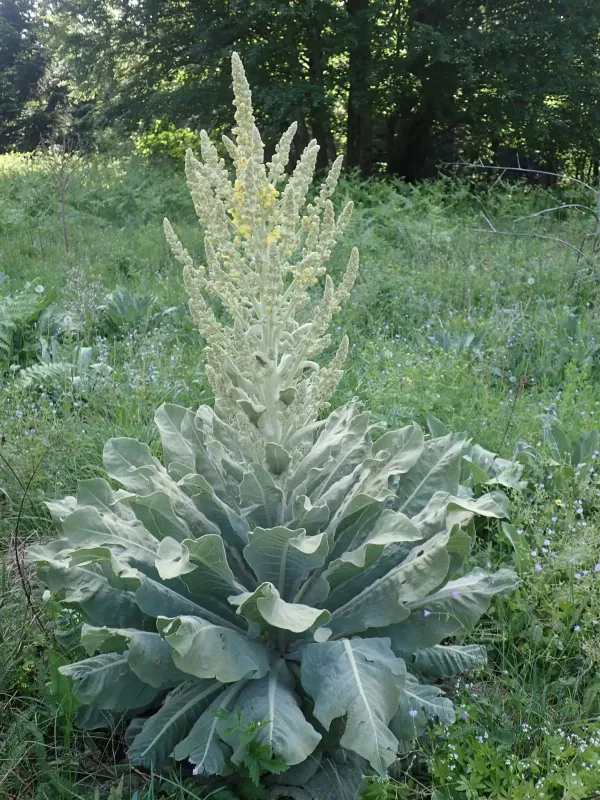
Description
Sowing dates
Sowing Silver mullein seeds is ideally performed in spring, specifically April or May, once the soil has warmed to 10-15 degrees Celsius. Autumn sowing in October is also viable for early germination in the following season.
The seeds are exceptionally small, requiring surface sowing. They should not be buried deep but merely dusted with a thin layer of sand or light seed-starting mix to ensure adequate light exposure for germination.
When starting indoors, sow seeds in trays during March within a greenhouse or controlled environment. Seedlings typically emerge within 2-3 weeks at a stable temperature of approximately 20 degrees Celsius.
Transplanting into the open field should occur after the risk of frost has passed, ensuring a spacing of 40-50 centimeters between plants to allow for the robust development of the basal rosette.
Silver mullein is known for prolific self-seeding, which allows the population to persist in the garden naturally without the need for extensive human intervention or replanting each year.
Growing requirements
Silver mullein belongs to the Scrophulariaceae family and is highly valued in horticulture for its dense, woolly white tomentum covering the leaves and stems. The species is native to dry, rocky habitats in Turkey and Asia Minor.
This crop thrives in open, sunny locations where the silver foliage exhibits its most vibrant appearance. Shaded spots are suboptimal, as the plant tends to become leggy and loses its distinct coloration.
The species is undemanding regarding soil quality but performs best in light, well-draining soils with a neutral or slightly alkaline pH. Proper drainage is the most critical factor for plant health.
The plant demonstrates remarkable drought tolerance, a biological trait adapted to its hot, arid origins. Constant soil moisture or waterlogging is highly detrimental and should be avoided at all costs.
Routine care consists of basic weed management for juvenile plants and the removal of spent flower spikes, unless the gardener intends to collect seeds for natural propagation purposes.
Main diseases and pests
The primary threat to Silver mullein is moisture accumulation in the root zone, which frequently leads to root rot. Symptoms include leaf yellowing and the sudden collapse of the plant structure.
High air humidity often encourages the onset of powdery mildew, which presents as a white, powdery coating on the foliage, significantly degrading the aesthetic quality of the plant's white tomentum.
Pest pressures primarily include lepidopteran larvae, which can consume significant portions of the foliage and flower buds, negatively impacting the visual appeal of the silver rosettes.
Aphid infestations may occur on tender flower stalks, causing sap loss and subsequent deformation of the blooms, which stunts the plant's overall growth potential.
Effective management includes systemic insecticides for pest control, while disease prevention is largely dependent on adhering to strict cultural practices, such as ensuring proper plant spacing and air circulation.