
Twiggy mullein
Verbascum virgatum Stokes
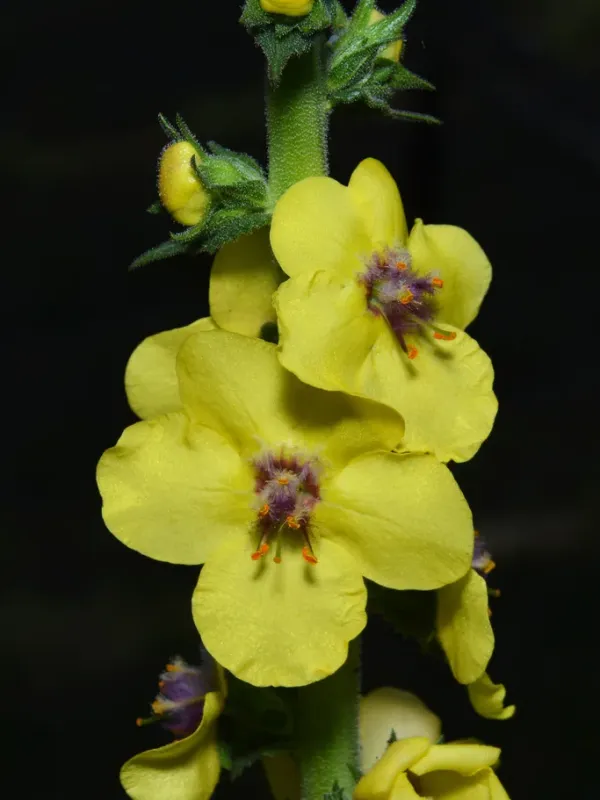
Description
Sowing dates
Twiggy mullein, known scientifically as Verbascum virgatum, is a biennial plant belonging to the Scrophulariaceae family. Sowing is typically performed in late autumn or early spring directly into the field.
The seeds are exceptionally small, requiring a light covering of soil to ensure proper light exposure, which is necessary for the germination process. Compacting the soil slightly after sowing aids in moisture retention.
During the first growing season, the plant develops a basal rosette of leaves. This vegetative phase is crucial for building the energy reserves needed for the tall inflorescence in the second year.
Row spacing is determined by the intended use; wide spacing is preferred for ornamental purposes, while closer spacing is common for medicinal herb production.
Proper thinning of seedlings is recommended once they reach the 4-leaf stage to ensure adequate air circulation and space for optimal growth.
Growing requirements
This species thrives in sunny, open locations with well-drained soil. It exhibits high tolerance for poor, stony, or sandy substrates, making it an excellent candidate for low-input cultivation.
Drainage is the most critical factor for success, as waterlogged soil during winter is the primary cause of plant loss. Neutral to slightly alkaline pH levels are generally considered ideal.
Twiggy mullein is highly drought-resistant once established, thanks to its dense, pubescent foliage which minimizes water loss. This makes it suitable for regions with limited rainfall.
Moderate fertility is sufficient for this plant; excessive fertilization, particularly with nitrogen, can lead to spindly stems and reduced structural integrity during flowering.
Site selection should avoid areas with heavy weed competition, as the plant needs a clear area to establish its rosette phase successfully during the first year.
Main diseases and pests
Slugs and snails are the most frequent pests during the early development stage. Implementing organic pest control methods or physical barriers can protect the young rosettes effectively.
Fungal issues like powdery mildew can arise in humid, poorly ventilated areas. Maintaining proper spacing and removing debris help in managing these potential risks.
Root rot is rarely an issue unless the soil is consistently saturated. Monitoring for signs of wilting is advised, especially in climates prone to heavy late-summer rains.
While the plant is generally robust, certain insects can target the flowering stalks. Regular scouting of the field ensures that timely interventions can be taken if necessary.
Promoting a balanced ecosystem around the field encourages beneficial insects that act as natural predators for common pests, reducing the need for chemical treatments.
Harvesting
The harvest of flowers is conducted during the blooming season, focusing on fresh, fully opened blossoms. Daily harvesting is preferred to maximize the quality and quantity of the yield.
Post-harvest, the flowers must be dried immediately in a shaded, ventilated area. Proper drying ensures the preservation of the color and the essential chemical properties of the crop.
Seed collection involves harvesting the dried capsules from the lower parts of the stalks. Once dried, these capsules are threshed to extract the seeds for future planting.
For large-scale cultivation, mechanical harvesting methods can be adapted, though manual harvesting is often preferred for high-value botanical products to prevent bruising.
Storage must be in cool, dark, and dry conditions to prevent degradation. Using airtight containers helps maintain the efficacy of the plant material over an extended period.