
Great mullein
Verbascum thapsus L.
Description
Sowing dates
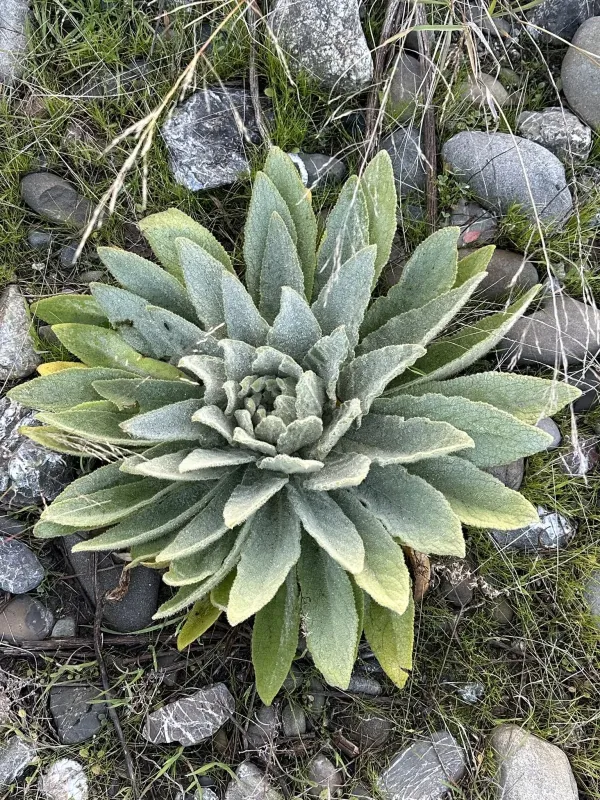
Great mullein (Verbascum thapsus L.) is a biennial plant belonging to the Scrophulariaceae family. During its first year, it develops a rosette of large, hairy leaves, while the second year focuses on producing a tall, flower-bearing stalk.
Sowing is typically performed in late autumn or early spring. Given that the seeds are extremely small, they should be sown on the surface of the soil or covered with a very thin layer of substrate, no deeper than 1 cm.
To ensure even distribution during mechanical seeding, it is recommended to mix the seeds with sand. Proper spacing between rows is essential for growth, typically ranging from 45 to 60 centimeters.
Germination takes approximately two to three weeks. It is crucial to maintain moisture in the seedbed during this period to prevent the small seedlings from drying out before they establish their root systems.
Once seedlings have developed their first true leaves, thinning is necessary to ensure optimal plant density, allowing enough room for the development of a strong rosette.
Growing requirements
Great mullein thrives in open, sunny environments. It is remarkably versatile regarding soil quality, performing well in sandy, loamy, or rocky soils, provided they offer good drainage.
Waterlogged soils must be avoided as they can cause root rot. The plant prefers neutral to slightly alkaline soil pH levels, making it highly adaptable to a variety of agricultural sites.
The species is exceptionally hardy and tolerant of harsh conditions, including drought. This resilience makes it an easy crop to manage in regions with variable climate patterns.
Regular maintenance includes weeding and loosening the soil, especially in the first year. This helps the plant establish itself without competing with invasive weeds for sunlight or nutrients.
While the plant is hardy on its own, light fertilization during the first season can boost biomass production, particularly for farmers focused on leaf harvesting.
Yield
The primary harvestable product is the flowers, which are collected periodically throughout the flowering season. On average, a hectare of cultivated mullein can yield 500 to 800 kilograms of dried flowers.
Leaf production is significant, with yields ranging from 1.5 to 2 tons per hectare depending on site management and harvest timing during the first year of growth.
Maximizing yield requires frequent, selective harvesting. Since flowers on the spike open gradually over a long period, multiple passes are required to gather high-quality material.
Efficiency is largely dependent on manual labour, as the delicate nature of the flower petals makes large-scale mechanized harvesting difficult without damaging the product.
Storage of the finished product requires controlled environments to maintain the golden color and aromatic quality that determine its market value in the pharmaceutical industry.
Main diseases and pests
Great mullein is generally robust, but it can be susceptible to fungal diseases such as powdery mildew, especially if plants are spaced too closely in humid climates.
Various beetles and bugs are the most common pests, often targeting the flower buds and developing seed capsules. Integrated pest management strategies are advised.
Preventative measures are the most effective way to manage these threats. Ensuring good air circulation between rows and proper crop rotation can significantly reduce the risk of infestation.
Biological controls and organic pesticides are preferred if chemical intervention is necessary, given the plant's widespread use as a medicinal herb.
- Monitoring for pest presence should begin before the onset of flowering.
- Removal of damaged stalks helps contain potential outbreaks within the plantation.
Harvesting
The best time to harvest the flowers is in the morning, immediately after the dew has evaporated. This ensures the highest concentration of active compounds in the petals.
Drying must be immediate. Flowers should be dried in well-ventilated dehydrators at temperatures between 40 and 50 degrees Celsius to prevent them from turning brown.
Leaves are collected throughout the first year. They should be dried in a shaded, airy place to preserve their structural integrity and phytochemical properties.
Finished raw material should be packaged in dry, breathable containers to protect it from moisture and light, which are the main factors that degrade the quality of the product.
After the harvest cycle is complete, crop residues can be integrated into the soil as organic matter, provided the plants are free from severe diseases or pests.