
Hybrid Mullein
Verbascum phoeniceum x Verbascum pyramidatum
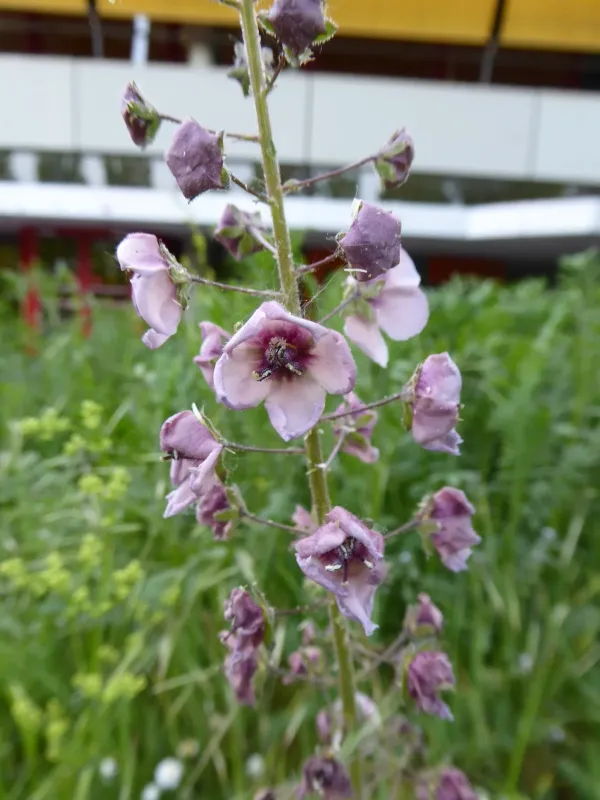
Description
Sowing dates
Sowing seeds of Hybrid Mullein is typically performed in March or April using seedling trays or directly into the open ground in late May after the danger of frost has passed.
The seeds are exceptionally tiny, so they should not be buried deep in the soil; instead, lightly cover them with fine sand or vermiculite to ensure enough light reaches them for germination.
When starting indoors, maintain a steady temperature of 18–20 degrees Celsius and ensure moderate substrate moisture, avoiding waterlogging which can lead to damping-off.
Transplanting seedlings should be done carefully at the two-leaf stage, taking care not to disturb the taproot system, which is sensitive to handling during the early growth phases.
When planting in permanent garden locations, space the plants 30 to 45 centimeters apart to accommodate the wide basal leaf rosette that forms before the flower spike develops.
Growing requirements
Hybrid Mullein (Verbascum phoeniceum x Verbascum pyramidatum) is a member of the Scrophulariaceae family, representing a showy perennial result of crossbreeding between purple and pyramidal species.
This crop thrives in open, sun-drenched locations; planting in partial shade often causes the flower stalks to become leggy and weak, requiring supplemental staking to remain upright.
The plant is not particularly demanding regarding soil composition, performing best in light, well-draining, and moderately fertile loamy or sandy soils with a neutral pH balance.
It possesses remarkable drought tolerance thanks to the fine hairs on the leaves, which reduce water transpiration, making it an excellent candidate for rock gardens and borders.
While the hybrid is reasonably cold-hardy, in regions with severe winters without consistent snow cover, providing a light mulch layer around the base is recommended for protection.
Main diseases and pests
The primary concern for Hybrid Mullein in high-humidity conditions is fungal infection, particularly powdery mildew, which appears as a white, dusty layer on the foliage.
Prolonged wet weather can also promote leaf spot diseases; therefore, maintaining proper air circulation by avoiding overcrowding is essential for the health of the plants.
Common pests include various moth caterpillars and leaf beetles, which can quickly consume foliage and reduce the visual appeal of the planting area.
For pest management, biological control methods should be the first choice, while systemic insecticides may be reserved for significant infestations during the growing season.
Cultural maintenance remains the best preventive measure: remove spent flower spikes promptly, keep the area weed-free, and ensure water does not pool around the crown.