
Dense-flowered mullein
Verbascum phlomoides L.
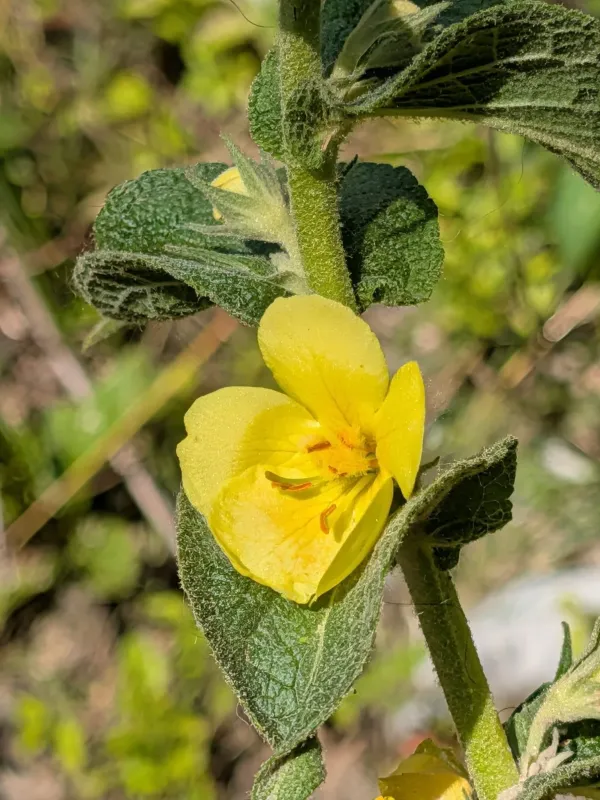
Description
Sowing dates
Dense-flowered mullein (Verbascum phlomoides L.) is a biennial herbaceous plant belonging to the Scrophulariaceae family. It is propagated primarily through seeds which are sown in the spring as soon as soil temperatures reach 8–10 degrees Celsius.
The seeds are exceptionally small and require surface sowing. They should be lightly pressed into the soil without deep coverage, as they need exposure to light to initiate the germination process successfully.
In the first year of growth, the plant concentrates its energy on developing a substantial basal rosette of soft, fuzzy leaves. Proper spacing is essential, usually requiring 40–50 centimeters between plants to allow for optimal leaf development.
Seedlings typically emerge within 2 to 3 weeks under favorable moisture conditions. During the initial stages, it is crucial to keep the seedbed free of competing weeds to ensure the young rosette establishes well.
The plant exhibits high adaptability to various environments. Autumn sowing is also possible in milder climates, allowing for early spring growth and more efficient use of moisture reserves in the soil.
Growing requirements
Dense-flowered mullein is a heliophilic species that thrives in full sun. It is highly resistant to drought and can successfully grow on dry, stony, or sandy soils where other crops might struggle to survive.
Soil drainage is a critical requirement for this species. It does not tolerate waterlogging, which often leads to root rot, so light, porous soil textures are preferred for commercial cultivation.
The plant demonstrates excellent winter hardiness, surviving cold temperatures in the rosette stage without the need for additional protection. This makes it suitable for cultivation in temperate climates.
Regarding soil fertility, the species is not particularly demanding and can perform well on nutrient-poor lands. Its deep taproot system allows it to reach minerals and water in deeper soil layers.
While the plant is hardy, providing adequate ventilation by avoiding overcrowding helps prevent fungal issues. It is often regarded as a low-maintenance crop suitable for ecological farming practices.
Yield
The primary harvestable product of dense-flowered mullein is its flowers, which are rich in mucilage, flavonoids, and saponins. These are prized for their medicinal applications in pharmaceuticals and herbalism.
The flowering period is extended, which necessitates careful and repetitive harvesting throughout the summer months. Yields are maximized when flowers are collected regularly as they bloom.
Besides medicinal use, the plant serves as an excellent melliferous crop. It attracts pollinators, particularly bees, making it a valuable addition to areas near apiaries or in pollinator-friendly landscapes.
Efficient management of the flowering period significantly impacts the total yield of dried material. Consistent monitoring of the fields ensures that the high-quality product is captured before it degrades.
The dried flowers are highly valued for their ability to maintain active compounds over time. Proper post-harvest handling ensures that the final product meets high standards for commercial distribution.
Main diseases and pests
The dense pubescence of the leaves acts as a natural barrier against many common pests. However, some lepidopteran larvae may occasionally feed on the foliage during the growing season.
Powdery mildew is the most common disease associated with this species, especially in environments with high humidity and poor air circulation. Proper planting density is the primary preventative measure.
Root rot and crown rot can develop if the soil remains excessively wet. Ensuring high soil permeability and avoiding over-irrigation are key to maintaining a healthy plantation.
Weed management is most critical during the first year of the plant's life. Once the rosette is fully established, it usually outcompetes most surrounding weeds due to its large, broad leaves.
The plant is relatively resistant to major agricultural pests, requiring few chemical interventions. This profile makes it a viable candidate for sustainable and organic agricultural systems.
Harvesting
Harvesting of flowers must be conducted during dry weather, as moisture significantly degrades the quality and color of the petals. The process is typically done manually in the morning hours.
Flowers should be picked immediately upon opening. Since each flower lasts only a single day, daily harvesting during the peak season is necessary to prevent waste and loss of active ingredients.
Post-harvest, flowers should be spread in thin layers in a shaded, well-ventilated space to dry. Excessive heat during the drying process must be avoided to preserve the golden color and therapeutic properties.
Quality control during drying is essential to ensure that the material does not mold. Proper air circulation is the most effective method to achieve a high-quality, dried herbal product.
Once dried, the product should be stored in airtight containers away from direct light. If stored correctly, the flowers retain their potency and quality for up to two years, making them ideal for long-term supply chains.