
Olympian mullein
Verbascum olympicum Boiss.
Description
Sowing dates
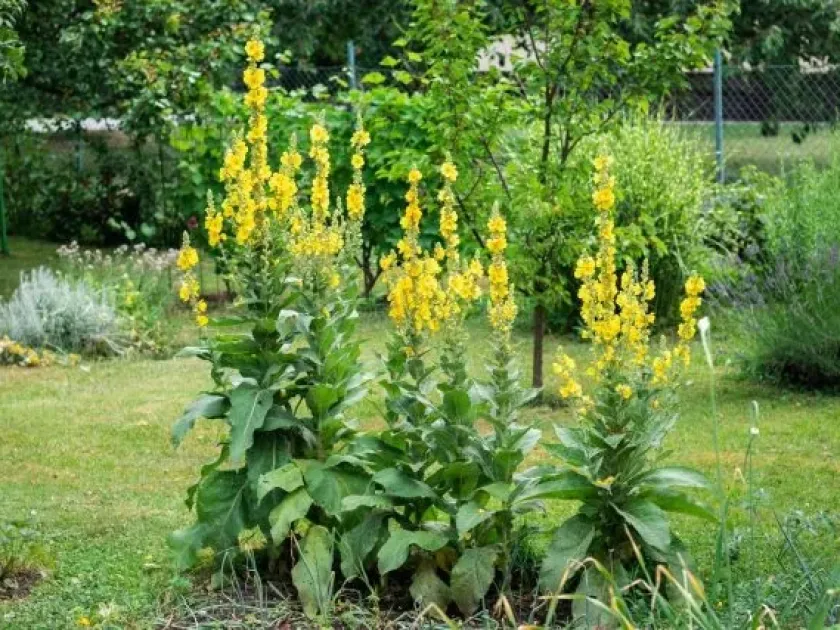
Olympian mullein is a striking member of the Scrophulariaceae family, known for its tall, bright yellow flowering spikes and silvery, woolly foliage.
The seeds should be sown in early spring, once the soil has warmed up, or in late autumn for natural stratification in colder climates.
Because the seeds are extremely fine, they should be surface-sown and lightly pressed into the soil; do not bury them deep, as they require light to germinate.
When starting indoors, use a well-draining seed-starting mix and maintain consistent moisture, but ensure good ventilation to prevent damping-off diseases.
Transplant seedlings into their permanent locations once they have developed several true leaves, ensuring they have plenty of room to spread their basal leaves.
Growing requirements
This species thrives in full sun and requires a well-draining soil profile; it is an excellent choice for gravel gardens and dry, sunny borders.
Soil fertility should be low to moderate; Olympian mullein prefers lean soils and can become leggy or prone to collapse if fertilized too heavily.
Drought tolerance is one of its primary characteristics, making it highly suitable for xeriscaping or low-maintenance garden designs in hot, dry climates.
It is generally hardy, though it appreciates a bit of winter protection in zones with excessive moisture, as wet winters are often fatal to the roots.
Regular maintenance is minimal, primarily involving the removal of spent flower stalks to encourage neatness or to prevent unwanted self-seeding.
Yield
In a horticultural context, the yield refers to the impressive display of inflorescences, which can reach heights of 2 to 3 meters in optimal conditions.
Each mature plant produces a central candelabra-like structure, blooming for several weeks during the mid-to-late summer season.
Seed production is prolific; if left on the stalk, the plant will scatter thousands of tiny seeds, leading to spontaneous colonization of surrounding areas.
While not a traditional food crop, its utility lies in its architectural impact in landscape design and its high value for pollinators, specifically bees.
The basal leaves, harvested in the first year, are sometimes used in traditional herbal preparations, though care must be taken regarding identification.
Main diseases and pests
Mullein moth larvae are the most significant pest, capable of defoliating the entire plant if infestations are not controlled early in the season.
Powdery mildew is a common fungal threat, particularly in regions with high humidity or poor air circulation during warm summer months.
Root rot is the most common cause of plant failure, almost always linked to heavy, waterlogged soils or standing water during the dormant winter period.
Gardeners should monitor the basal rosettes closely in the spring, as snails and slugs can damage young, tender leaves before the stalk emerges.
Integrated pest management, including physical removal of larvae and ensuring proper spacing, is usually sufficient to maintain plant health.