
Hybrid Mullein
Verbascum epixanthinum x Verbascum phoeniceum L.
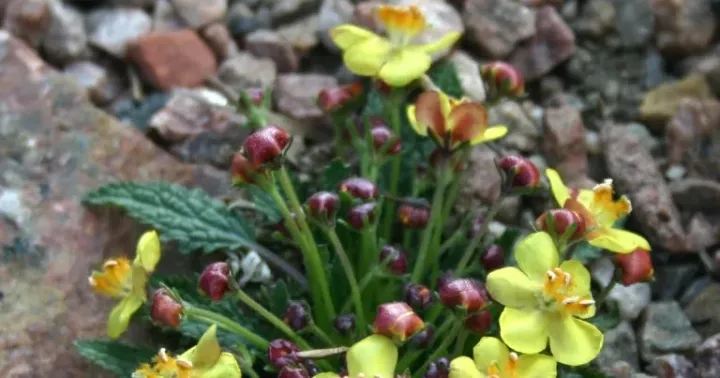
Description
Sowing dates
Sowing hybrid mullein seeds is best done in late spring once the soil has warmed sufficiently. For those using starting trays, sow seeds indoors in early spring in a well-draining, light potting mix.
The seeds require light to germinate effectively, so do not cover them with soil. Gently press the seeds into the substrate and maintain consistent moisture using a fine mist sprayer until seedlings emerge.
Pricking out the seedlings should occur when the first true leaves appear. Transplant them into individual pots to encourage robust root system development before planting them out into the garden.
Vegetative propagation, such as division or root cuttings, is preferred for this hybrid to ensure the offspring retain the exact color and form of the parent plant, as seeds may show variability.
When transplanting into the garden, ensure a spacing of at least 45 cm between plants to allow for proper air circulation, which is essential to prevent fungal issues during the humid summer months.
Growing requirements
As a member of the Scrophulariaceae family, the hybrid mullein thrives in full sun. It performs best in locations that receive at least six to eight hours of direct sunlight every day.
This plant is not demanding regarding soil fertility; it will grow well even in poor or rocky soils. However, good drainage is non-negotiable, as the roots are sensitive to waterlogged conditions.
Ideally, the soil should have a neutral to slightly alkaline pH. If your garden soil is heavy or acidic, amending it with sand and lime can significantly improve the growth and overall health of the plant.
Watering should be managed carefully. While mullein is quite drought-tolerant once established, regular irrigation during the initial establishment period will lead to larger, more impressive flower spikes.
In regions with harsh winters, providing a layer of mulch around the base of the plant can protect the overwintering rosette. This practice helps prevent heaving and damage caused by extreme cold cycles.
Main diseases and pests
Powdery mildew is the most common disease affecting this species, characterized by a dusty white coating on the leaves. It usually occurs during periods of high humidity and poor air circulation.
Root rot occurs if the plant is kept in soil that remains constantly wet. Signs include yellowing of the foliage and sudden wilting of the plant, which often indicates that the roots are decaying.
Pests such as the mullein moth larvae can be problematic, as they feed on the leaves and can strip a plant very quickly if left unchecked. Regular visual inspections are recommended.
Aphids often target the developing flower buds, sucking sap and causing the spikes to become stunted or distorted. Applying insecticidal soap is a safe way to manage these populations.
Viral infections may occur, showing as mottled or distorted leaf growth. Infected plants should be removed and destroyed to stop the spread of the virus to healthy plants in the garden.
Harvesting
Harvesting for floral arrangements should happen when about one-third of the florets on the spike have opened. Mullein stems act as great vertical accents in bouquets and last well in water.
Seed harvesting should be performed in dry weather when the pods turn brown and begin to split. Place the cut spikes in a paper bag to catch the seeds as they continue to dry indoors.
Deadheading spent flower spikes is highly recommended to encourage the plant to focus energy on root growth rather than seed production, potentially leading to a longer lifespan for the plant.
Root cuttings should be taken in the autumn when the plant enters dormancy. Select healthy root sections, store them in a cool, dark place, and prepare them for replanting in the following spring.
If you intend to use the leaves for herbal applications, ensure you harvest them before the flower spikes begin to develop, as the plant directs most of its nutrients into the bloom later.