
Breckland thyme
Thymus serpyllum L.
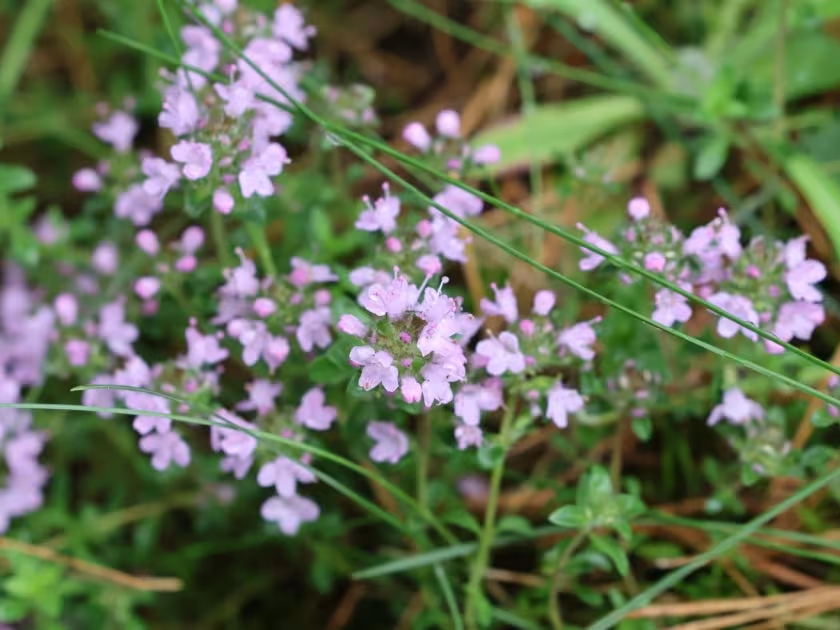
Description
Sowing dates
Breckland thyme (Thymus serpyllum), belonging to the Lamiaceae family, is a valuable perennial essential oil crop. Sowing seeds directly into open ground is best done in spring once soil temperatures reach 10–12 degrees Celsius, or alternatively in late autumn.
When using a nursery method, seeds are sown in trays during March. Since the seeds are extremely small, they should be lightly pressed into the surface rather than buried, as they require light to germinate effectively.
For commercial production, a planting pattern with row spacing of 45–60 cm is recommended. This setup facilitates mechanical weeding and promotes good airflow between plants, which is crucial for disease prevention.
Seedlings typically emerge within two to three weeks. Because early growth is slow, the crop is highly sensitive to competition from weeds, requiring frequent hand or mechanical weeding to ensure the plants establish well.
Once established, the crop spreads naturally via creeping stems that root at the nodes. A well-managed plantation can remain productive for up to five years before needing renovation or replanting.
Growing requirements
This species is highly photophilous, meaning it requires full sun to thrive. Optimal exposure to direct sunlight is essential for the plant to produce the high concentrations of volatile oils that make it commercially valuable.
Breckland thyme performs best in light, sandy, or loamy soils with excellent drainage. It cannot tolerate waterlogged conditions, which lead to root rot; therefore, planting on slopes or raised beds is often beneficial.
The plant is remarkably drought-tolerant, adapted to the conditions of its native steppe habitats. Excessive irrigation should be avoided, as it can reduce the aromatic quality of the harvested biomass.
Soil pH should ideally be neutral or slightly alkaline, between 6.0 and 7.5. The crop is sensitive to highly acidic soils, so lime application may be necessary if the soil chemistry is not within the preferred range.
Regular cultivation of the soil between rows is recommended to improve aeration and moisture retention during dry spells. However, care must be taken not to damage the shallow root systems of the plants.
Main diseases and pests
Common pests affecting thyme plantations include aphids, weevils, and the meadow moth. These pests can cause significant damage to the leaves and flower buds, negatively impacting the total essential oil yield.
Root rot is the most prevalent disease, often triggered by poor drainage or excessive watering. Infected plants typically exhibit yellowing leaves and stunted growth, eventually wilting entirely if the soil remains waterlogged.
Powdery mildew may occur in dense plantings where airflow is restricted. Proper spacing and thinning of mature plantations help maintain the ventilation necessary to prevent fungal outbreaks.
Phytophthora can also impact the stems during periods of prolonged wet weather. Good horticultural hygiene, including the removal of dead plant material, is essential to minimize the risk of pathogen spread.
Integrated pest management, favoring biological controls over chemical pesticides, is the preferred approach for thyme growers to ensure the final product meets safety standards for culinary and medicinal use.
Harvesting
The harvest should take place during the peak flowering phase, as this is when the concentration of essential oils in the foliage is at its highest. This typically occurs during the mid-summer months.
The aerial parts are harvested by cutting the stems 5–10 cm above the ground. It is critical to leave enough of the plant structure for rapid regrowth and to ensure the plant remains hardy enough for winter survival.
Immediately after cutting, the material must be moved to a drying facility. Drying should occur in a well-ventilated, shaded area or a mechanical dryer at temperatures not exceeding 40 degrees Celsius.
Once dried, the leaves and flowers are separated from the woody stalks. High-quality product should retain a vibrant color and a pungent, characteristic aroma, indicating that the volatile oils have been preserved.
If weather permits and the plant is vigorous, a second harvest may be possible in late summer or early autumn. This second cut can increase total annual yield without compromising the health of the plantation.