
Pallas thyme
Thymus pallasianus Heinr. Braun
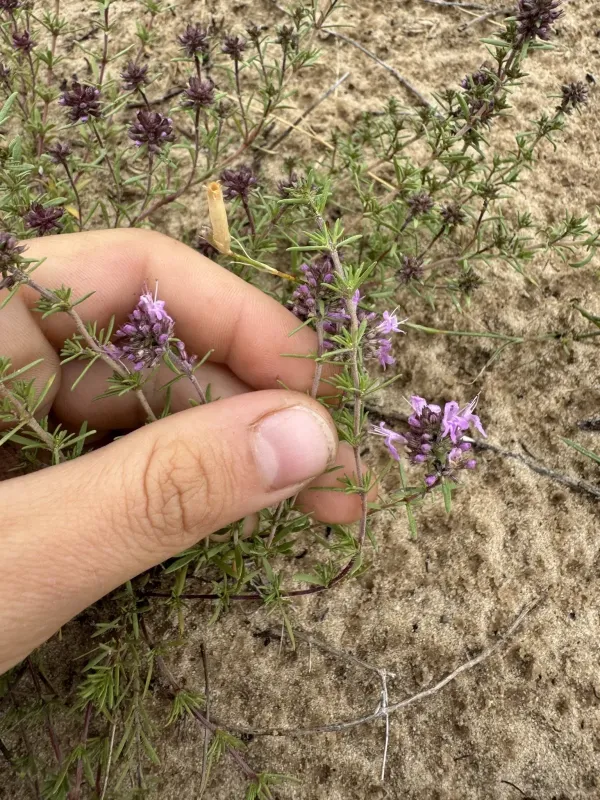
Description
Growing requirements
Pallas thyme (Thymus pallasianus) is a perennial subshrub belonging to the Lamiaceae family. It is a highly specialized species native to dry, rocky habitats and sandy soils, reflecting its remarkable evolutionary adaptation to arid environments.
The plant requires full sun exposure to flourish and maintain its chemical profile, particularly the concentration of essential oils. Cultivation sites should be selected based on their ability to provide maximum daylight throughout the growing season.
Soil requirements for this species are strict regarding drainage. It thrives in poor, sandy, or stony soils with a slightly alkaline pH. Clay soils or those that retain moisture are generally unsuitable as they increase the risk of root rot and plant decay.
Climatically, Pallas thyme is exceptionally resilient. It is frost-hardy and capable of withstanding the harsh, dry conditions of steppe climates. Its biological rhythm is perfectly synced with natural rainfall patterns, requiring minimal supplemental irrigation once the plants are established.
Agricultural maintenance involves keeping the rows clear of competing vegetation. During the establishment phase, the plant grows slowly, making manual or mechanical weeding an essential practice to ensure the development of a dense and healthy stand.
Main diseases and pests
The primary threats to Thymus pallasianus are fungal pathogens resulting from excessive moisture. Powdery mildew and root rot are common in fields where drainage is inadequate or where aeration between plants is insufficient to allow foliage to dry.
Insects like aphids and spider mites can occasionally affect the growth of the herb. Standard integrated pest management techniques are recommended, prioritizing ecological balance to avoid chemical residues in the aromatic parts of the crop intended for culinary or medicinal markets.