
Withe-rod
Viburnum cassinoides L.
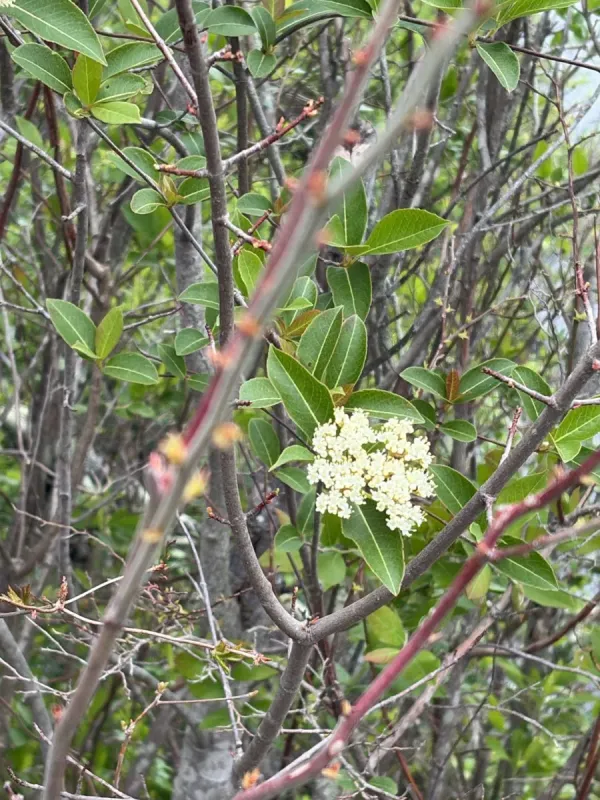
Description
Growing requirements
Viburnum cassinoides, commonly known as Withe-rod, is a deciduous shrub belonging to the Adoxaceae family. Native to eastern North America, this species is highly valued for its multi-season interest, characterized by showy flowers and fruit that transition through multiple colors.
The plant thrives in moist, acidic soils and is naturally found in swamps, bogs, and wet meadows. When grown in domestic gardens, it requires consistently moist soil conditions to reach its full potential and produce abundant fruit.
It is remarkably hardy and can withstand low temperatures typical of northern climates. The species prefers full sun to partial shade, with full sun exposure generally resulting in better flowering and more intense autumn foliage colors.
Routine maintenance includes keeping the soil acidic; if the soil pH becomes too high, the plant may show symptoms of chlorosis. Amending the soil with organic matter like peat moss or pine bark helps maintain the necessary acidity and moisture levels.
Pruning should be performed after flowering to encourage new growth and maintain the desired shape. Removing old or damaged wood helps keep the shrub healthy and promotes better air circulation within the canopy.
Main diseases and pests
The primary fungal threats to Withe-rod include powdery mildew and various leaf spot diseases. These are most prevalent in regions with high humidity, so proper spacing between plants is essential to promote drying airflow.
Insect pests such as aphids and viburnum beetles can cause defoliation if left untreated. Regular monitoring is advised, and infestations can usually be managed with organic insecticidal soaps or systemic treatments if necessary.
Root rot remains a risk if the plant is grown in compacted, poorly drained soil. While the species likes moisture, stagnant water around the root zone is detrimental and can lead to the quick decline of the plant.
Wildlife, particularly deer, may browse on the foliage during the winter months. Using repellent sprays or physical barriers is recommended in areas where deer populations are high and food sources are scarce.
Scale insects can occasionally infest the stems, appearing as small bumps. If found, they should be treated with horticultural oil applications during the dormant season to suffocate the pests before they begin active growth.