
Sugarbush
Protea repens (L.) L.
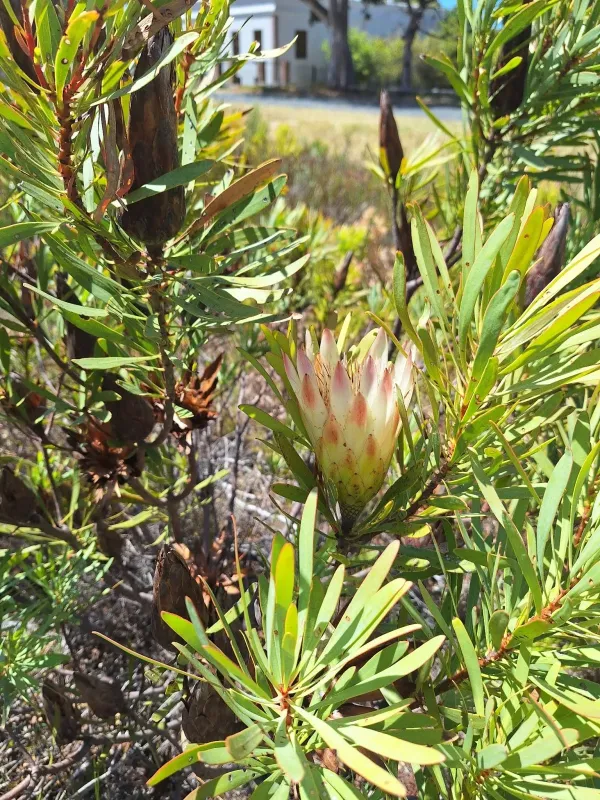
Description
Growing requirements
The sugarbush (Protea repens) is a distinctive member of the Proteaceae family, native to the Cape Floristic Region of South Africa. As a resilient shrub, it thrives in environments that mimic its natural fynbos habitat, characterized by nutrient-poor soils and dry summers.
Proper soil management is critical for this species. It demands well-draining, acidic soil with very low phosphorus levels. Unlike many traditional crops, the sugarbush has evolved specialized root structures, known as proteoid roots, which are highly efficient at extracting nutrients from poor soil but are extremely sensitive to fertilizer toxicity.
The climatic preferences for Protea repens include high light intensity and moderate, consistent temperatures. While it can withstand occasional light frost, it generally requires protection from freezing conditions. Good air circulation is essential in both field and greenhouse settings to prevent fungal pathogens from settling on the foliage.
In commercial agriculture, the cultivation cycle revolves around pruning and maintenance. Strategic pruning after the flowering season is vital to promote new growth and ensure the production of high-quality stems for the following year. Incorrect pruning can lead to woody, sparse plants with reduced flower counts.
The sugarbush is primarily cultivated for the international cut flower trade. Its nectar-rich, cup-shaped inflorescences are highly sought after by floral designers for their longevity and structural beauty. The economic viability of the crop depends on maintaining strict quality control during the harvesting phase.
Main diseases and pests
The most devastating threat to sugarbush plantations is root rot, particularly species of Phytophthora. These soil-borne pathogens are almost always lethal to proteas, especially if the plants are subjected to waterlogged soil or excessive moisture around the crown.
Pest management focuses on controlling sap-sucking insects like mealybugs and scale insects. These pests can weaken the plant and serve as vectors for secondary infections. Early detection and the use of targeted biological controls are the preferred methods for sustaining healthy floral production.