
Oleander-leaf protea
Protea neriifolia R. Br.
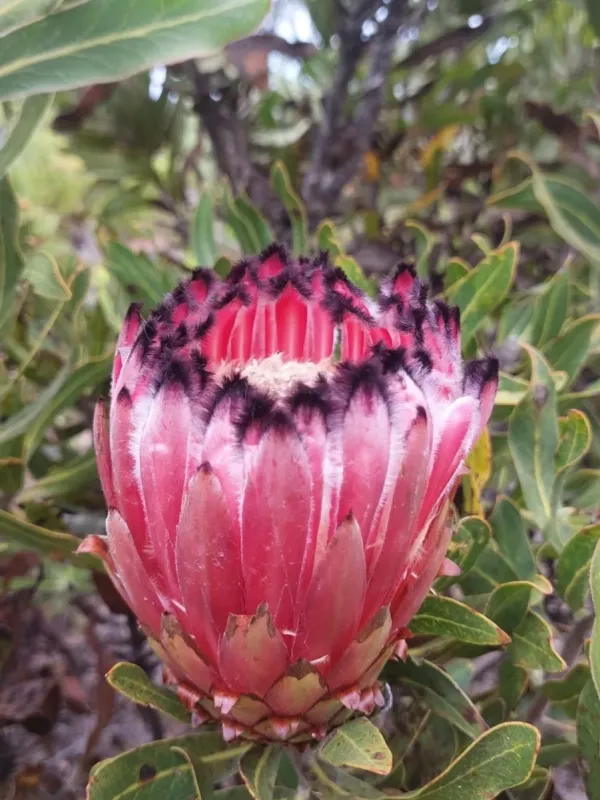
Description
Sowing dates
The propagation of Protea neriifolia is typically performed through seeds or semi-hardwood cuttings. Seeds are sown in autumn into a well-draining, acidic substrate.
For optimal germination rates, seeds often require smoke treatment or exposure to specific chemicals that mimic the natural post-fire environment of their native habitats.
Vegetative propagation via cuttings is done in late summer. It is essential to select healthy, semi-mature growth to ensure the success of the rooting process in a controlled environment.
Maintaining a steady temperature between 18 and 22 degrees Celsius is crucial. Proper greenhouse ventilation must be provided to prevent moisture-related fungal issues during the rooting stage.
The rooting process can be prolonged, requiring consistent monitoring of soil moisture levels to ensure the substrate remains moist but not waterlogged, which is fatal for Protea cuttings.
Growing requirements
Protea neriifolia belongs to the Proteaceae family and is native to the Cape region of South Africa. The plant thrives in full sun, requiring intense light for robust growth and flower development.
The soil must be acidic and exceptionally well-draining. Protea plants are highly sensitive to phosphorus; thus, using standard NPK fertilizers is often discouraged as it can lead to toxic accumulation.
The optimal temperature range is between 15 and 25 degrees Celsius. While the plant can tolerate light frosts, it is not considered cold-hardy and requires protection in colder climates.
Watering needs to be managed with extreme care. The root system is highly prone to fungal pathogens, making good soil aeration and avoiding constant saturation absolutely essential.
Commercial cultivation usually takes place in greenhouses or Mediterranean-like climates, where the risk of freezing is minimal and light levels are sufficient year-round.
Yield
Yield is measured by the number of high-quality blooms produced per plant. Commercial production usually begins three to four years after the initial planting.
A well-maintained mature shrub can produce between 15 and 20 quality stems per season. Proper pruning after the flowering phase is critical to stimulate growth for the next cycle.
Flower quantity is directly proportional to light intensity. Inadequate lighting results in fewer, smaller, and less vibrant blooms, significantly reducing the market value of the crop.
Specialized micronutrient fertilization schedules are used by agronomists to support plant vigor while avoiding high phosphate concentrations that could inhibit nutrient absorption.
Proper spacing is vital to ensure airflow through the canopy, which helps in preventing disease and ensuring that all parts of the shrub receive adequate sunlight for flower production.
Main diseases and pests
The most significant threat to Protea neriifolia is fungal root rot, particularly caused by Phytophthora species, which thrive in poorly drained and over-watered conditions.
Common pests include spider mites and scale insects, which can quickly multiply if greenhouse humidity and ventilation are not managed correctly during the growing season.
- Root rot — systemic failure caused by waterlogged soil.
- Powdery mildew — a fungal disease affecting foliage.
- Aphids — sap-sucking insects that stunt shoot growth.
- Root-knot nematodes — microscopic worms that damage root health.
Biosecurity measures, such as sanitizing tools and quarantine for new plants, are essential to prevent the introduction of pathogens into the main production area.
Pesticide application must be handled with caution, as the thick, waxy cuticle of Protea leaves can sometimes trap chemicals, leading to phytotoxicity if not applied correctly.
Harvesting
Harvesting is conducted when the bracts of the inflorescence begin to open, revealing the center of the flower. This timing ensures the longest vase life for the final consumer.
Stems are harvested using sharp, clean secateurs. It is important to leave enough foliage on the plant to allow for continued photosynthesis and future bud development.
Immediately after cutting, stems should be placed in clean water. Using commercial floral preservatives can significantly extend the post-harvest life of the blooms.
Cold chain logistics are mandatory for transport, keeping the product at low, positive temperatures to maintain turgidity and prevent premature aging of the exotic flowers.
Quality grading based on stem length and inflorescence size is standard procedure before the products are prepared for international flower auctions or retail markets.