
Protea aristata hybrid
Protea aristata x repens
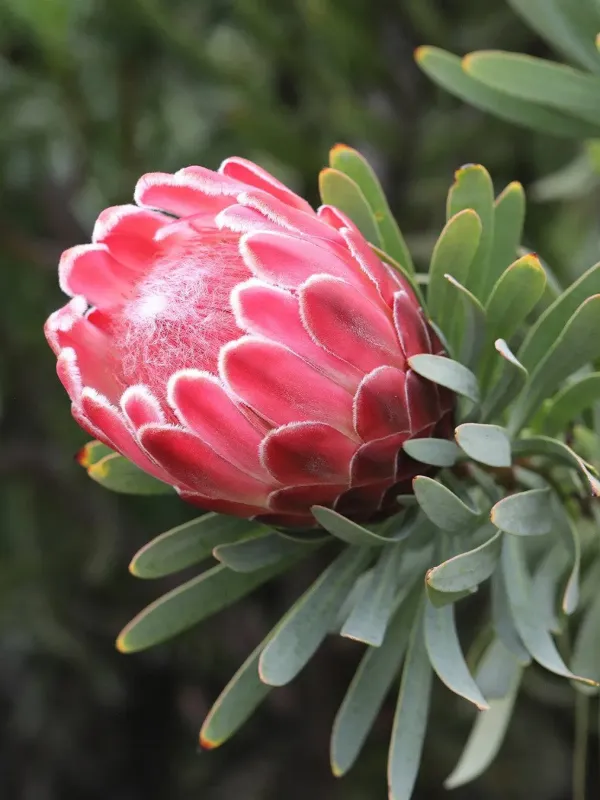
Description
Growing requirements
The Protea aristata hybrid is a stunning ornamental shrub belonging to the Proteaceae family, widely recognized for its architectural inflorescences. Originating from South African fynbos ecosystems, this plant requires specialized conditions to thrive in a cultivated environment.
The climate must replicate Mediterranean patterns, with mild, frost-free winters and warm, dry summers. Temperatures below -5 degrees Celsius can cause irreversible damage to the vascular system of the plant, making it unsuitable for regions with harsh cold seasons.
Soil composition is the most critical factor for success. The ideal substrate is highly acidic, coarse-textured, and exceptionally well-draining. High levels of phosphorus in the soil or in fertilizers can be toxic to the plant's proteoid roots, which are specialized for nutrient uptake in poor soils.
Direct, intense sunlight is essential for the healthy development of the plant and the production of vibrant flowers. In greenhouses, high-transmissivity glazing is required to ensure the light intensity matches the natural habitat requirements.
Watering must be precise, focusing on maintaining soil moisture without creating waterlogging conditions. The use of low-salt, acidified water is a standard practice in professional protea nurseries to prevent mineral buildup and root rot.
Main diseases and pests
Root pathogens such as Phytophthora cinnamomi represent the most significant threat to protea production. These soil-borne organisms flourish in saturated soils and can decimate an entire plantation within a single season.
Pests like mealybugs and aphids can inhabit the dense bracts of the inflorescence, causing cosmetic damage that renders the stems unsalable. Regular monitoring and biological control methods are preferred over broad-spectrum pesticides.
Nutrient toxicity, particularly excess nitrates or phosphates, often manifests as scorched leaf tips. Careful nutrient management using specialized low-phosphorus fertilizers is necessary to avoid these stress-related disorders.
Fungal leaf spot diseases may occur under conditions of high humidity and poor airflow. Managing the microclimate through proper plant spacing is the primary defense strategy for commercial growers.
Sanitation practices are vital. Disinfecting tools between plants and removing all dead foliage from the soil surface significantly reduces the reservoir of potential infections in the field.
Harvesting
Harvesting is performed during the early blooming stage when the bracts are firm and colored, but before the central florets have fully opened. This timing ensures the longest possible vase life for commercial distribution.
Manual harvesting with sanitized pruning shears is standard. Each stem is cut to a specific length according to market standards, usually between 40 to 80 centimeters, and immediately placed in water to avoid stem dehydration.
Post-harvest conditioning involves cooling the stems to 4 degrees Celsius to stabilize the plant's metabolic processes. This rapid cooling stage is essential for maintaining the structural integrity of the large inflorescences during air freight or long-distance logistics.
Sorting and grading are based on the uniformity of the flower head and the absence of any pest damage or leaf browning. Only premium-grade stems reach the international floral market, making precise post-harvest management crucial.
Annual pruning immediately after the harvest cycle helps rejuvenate the shrub. It encourages new vegetative growth, which will serve as the foundation for the next season's flower production.