
King protea
Protea cynaroides L.
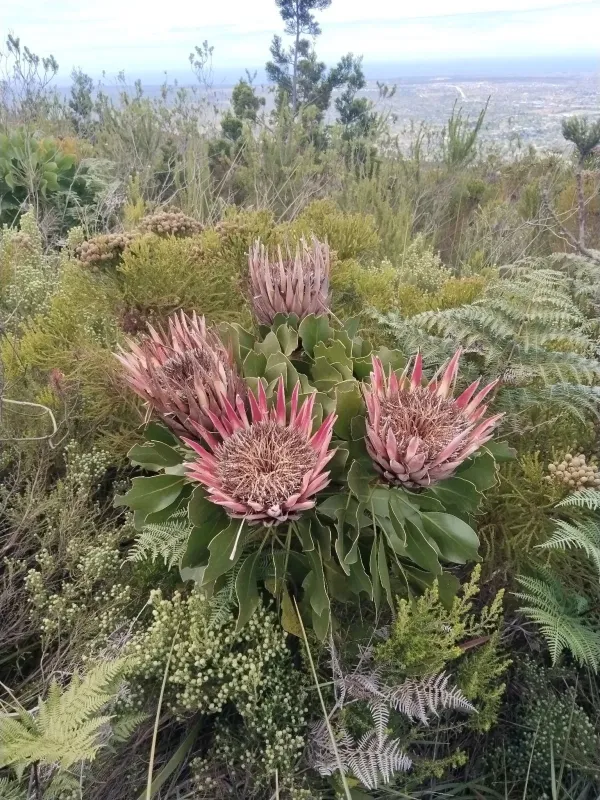
Description
Sowing dates
Seeds of Protea cynaroides are typically sown in late summer or early autumn to mirror the natural germination cycle of the species. Many growers utilize smoke-based germination primers, which are essential for breaking seed dormancy effectively.
The sowing medium should be well-drained, acidic, and low in organic matter. A mixture of clean river sand and peat provides the ideal structure, ensuring that the developing roots do not sit in stagnant moisture.
Environmental conditions during germination require diurnal temperature fluctuations. A drop in temperature at night is crucial for success, mimicking the environmental pressures that trigger seedling development in their native habitat.
Seedlings should be moved to individual containers as soon as the first true leaves appear. It is vital to perform this with minimal disturbance, as the delicate root systems of proteas are notoriously prone to transplant shock.
During the nursery phase, light intensity must be gradually increased to harden off the plants. Proper air movement during this stage is the most significant factor in preventing the development of damping-off diseases.
Growing requirements
The King Protea belongs to the Proteaceae family and is native to the Mediterranean-style climate of South Africa. It thrives in well-exposed, sunny locations where it can receive maximum light throughout the day.
The crop requires soil that is low in phosphorus. Standard commercial fertilizers are often lethal to proteas, so specialty low-phosphorus feeds must be used to provide essential micronutrients without causing root toxicity.
Temperature management is critical, with an ideal range of 18–25°C. While the plant can tolerate short periods of cold, sustained frost will damage the plant, necessitating greenhouse protection in non-Mediterranean regions.
Hydration must be managed with extreme precision. The soil should be kept moist but never saturated. Overwatering is the primary cause of crop failure, as it promotes fungal pathogens that attack the sensitive root system.
Adequate spacing between plants is required to ensure consistent airflow. Proper ventilation reduces the relative humidity around the foliage, which is a major strategy for preventing fungal infections in commercial protea production.
Main diseases and pests
The most significant threat to Protea cynaroides is root rot, particularly caused by Phytophthora species. These infections are almost always a result of poor drainage or improper irrigation practices in the nursery or field.
Preventative measures include using pasteurized growing media and implementing strict hygiene protocols. Tools should be disinfected between uses to avoid the accidental transfer of soil-borne pathogens across the crop.
Pests such as scale insects and mites can impact plant vigor, especially in high-tunnel environments where airflow may be limited. Integrated pest management (IPM) focusing on biological control is preferred over heavy chemical usage.
Leaf spot diseases can also occur if the foliage remains wet for extended periods. Avoiding overhead irrigation is a fundamental rule in protea cultivation to ensure the health of the large, ornamental leaves.
Regular crop scouting is necessary to catch infestations early. By identifying stressed plants quickly, growers can quarantine or treat individuals before pathogens spread through the entire planting area.
Harvesting
Harvesting King Protea requires careful timing. The flower heads are typically ready for harvest when the central bracts are beginning to open, but before the true flowers are fully exposed to prevent premature aging.
Stems should be cut at the desired length, taking care to leave enough foliage on the plant to support future growth. Clean, sharp shears are mandatory to ensure a clean cut that heals quickly without risk of infection.
Post-harvest care involves immediate processing in clean, treated water. Using specialized floral preservatives helps keep the vascular system clear of bacteria, ensuring maximum vase life for the final consumer.
Flowers are often stored in dry, cool conditions after harvest to prevent condensation. This temperature-controlled environment is essential for maintaining the structural integrity of the large, complex flower heads.
With correct handling, the King Protea remains one of the most durable cut flowers in the floral industry. Its ability to retain its form and color for several weeks makes it a high-value commodity in global markets.