
Stenocereus stellatus
Stenocereus stellatus
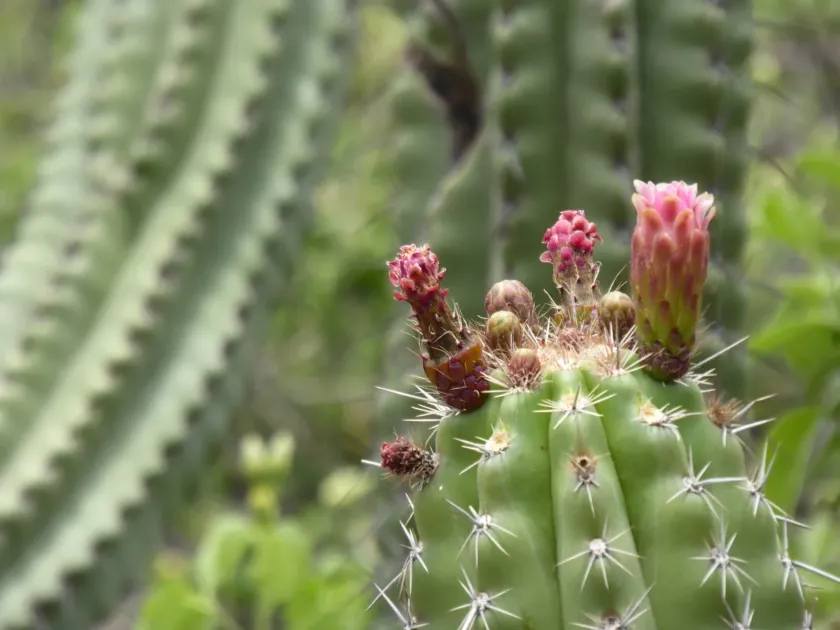
Description
Sowing dates
Commercial propagation of Stenocereus stellatus is primarily achieved through stem cuttings. Selected healthy stem segments are left to callus in a dry, shaded area for several days before being planted in a well-draining substrate to prevent rot.
Seed propagation is also possible, though it is a slower process requiring specific conditions. Seeds are sown in a light, sterile soil mix with consistent temperatures between 25 and 30 degrees Celsius for optimal germination rates.
Young seedlings require careful management of humidity and light. As they grow, they are gradually exposed to more intense light to develop the structural integrity required for their native arid environments.
Transplanting seedlings to their final growing location should occur during the warmer months. It is essential to ensure that the root system is well-established before exposing the plants to full field conditions.
Optimal planting density must consider the mature size of the cactus. Adequate spacing is crucial for airflow, which significantly reduces the humidity levels around the stems and minimizes the risk of pathogens.
Growing requirements
Stenocereus stellatus is a member of the Cactaceae family, native to the semi-arid regions of Mexico. It requires high levels of direct solar radiation to maintain healthy growth and to trigger flower production.
The ideal soil type is highly porous, such as sandy or gravelly loam, which ensures excellent drainage. Any water retention at the root base is detrimental and often fatal to the cactus due to the risk of rot.
The plant is heat-tolerant and thrives in environments with temperatures ranging from 20 to 35 degrees Celsius. It is highly drought-resistant, relying on its internal water storage in the stems during dry periods.
Watering strategies must be adapted to seasonal changes. During the active growth phase, watering is moderate, while in the dormant winter phase, irrigation should be strictly limited to prevent waterlogging.
In industrial greenhouse settings, climate control systems are necessary to manage humidity. Proper ventilation is the most important factor in preventing stem infections caused by stagnant, moist air.
Yield
The primary economic value of this crop lies in its edible fruit, which is highly appreciated for its sweet, juicy pulp. Mature plants can provide consistent yields if the growing conditions remain stable.
Flower pollination is a critical component for fruit set. As the flowers bloom at night, they rely on specialized pollinators; however, manual pollination is often practiced in commercial plantations to ensure higher yields.
The ripening process is marked by a clear color shift of the fruit skin to bright red or purple. Harvest time management is essential to ensure the fruits reach their peak sugar content.
Selective harvesting is recommended to ensure that only fully ripe fruits are picked. This method requires multiple passes through the plantation during the harvest window to maximize quality.
Properly maintained plantations can remain productive for many years, as this cactus is a long-lived perennial species capable of sustained fruit production under good agricultural practices.
Main diseases and pests
Fungal diseases such as root rot and stem decay are the most significant threats to Stenocereus stellatus. These conditions are typically triggered by excessive moisture and poor soil aeration.
Pests like spider mites and mealybugs can cause damage to the epidermis and young shoots. Regular monitoring and the application of integrated pest management practices are necessary to control these infestations.
Root-knot nematodes can also affect the growth of the cactus by damaging the root system. Using sterilized potting media and practicing crop rotation in greenhouse systems helps mitigate these risks.
Sanitation is a vital aspect of disease control. Tools should be sanitized frequently, and any infected plant tissue must be removed and destroyed to prevent the spread of pathogens throughout the crop.
Environmental stress, such as sudden shifts in temperature or humidity, can weaken the plants, making them more susceptible to opportunistic infections from bacteria and fungi.
Harvesting
Harvesting requires appropriate personal protective equipment, such as heavy-duty gloves, due to the sharp spines. Fruits should be carefully detached from the stem to avoid bruising the tender skin.
After picking, fruits must be kept in a cool, ventilated area to allow them to stabilize. This post-harvest handling is critical to ensure the longevity of the fruit during the supply chain process.
Grading by size and color consistency is performed before packaging. Ensuring that the fruit is free from physical damage is essential for maintaining its market value as an exotic produce item.
Transportation logistics must be swift, as the fruits are perishable. Packing materials should provide enough ventilation to prevent moisture accumulation within the containers.
Avoiding direct sunlight exposure after harvest is vital. The fruits should be processed and cooled immediately to prevent heat-induced spoilage and loss of freshness.