
Stenocereus fricii
Stenocereus fricii
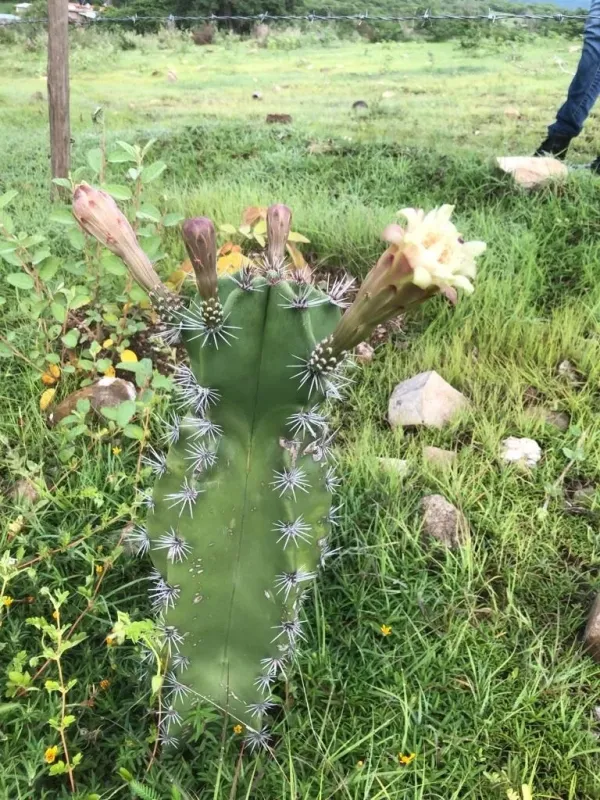
Description
Growing requirements
Stenocereus fricii is a prominent species within the Cactaceae family, native to the arid and semi-arid landscapes of Mexico. This columnar cactus is highly valued in horticulture for its structural aesthetic and resilience to high temperatures typical of its natural habitat.
Successful cultivation requires a highly porous, gritty, and well-draining mineral-based substrate. The pH level should ideally be slightly acidic to neutral. Ensuring rapid drainage is non-negotiable, as this species is particularly susceptible to root decay when exposed to standing water for extended periods.
This species demands significant levels of solar irradiance to maintain its structural integrity. Ideally, it should be cultivated in full-sun conditions, which encourages dense spine development and prevents etiolation. In environments with limited natural light, supplemental greenhouse lighting is often necessary.
Watering management follows the typical succulent regime: a soak-and-dry method. During the active growth season, water should be applied only when the potting media is completely dehydrated. In the winter months, the plant enters a period of dormancy requiring minimal to no hydration and cooler temperatures.
Propagation is primarily achieved through seeds or stem cuttings. Seed germination requires a high-humidity environment and stable warmth, usually facilitated by seed starter kits. Cuttings must be allowed to callous thoroughly for several days before planting to prevent opportunistic fungal infections.
Main diseases and pests
Spider mites are common threats to Stenocereus fricii, particularly in low-humidity environments. These pests feed on the surface tissues of the cactus, leaving scarred, discolored patches. Regular application of targeted acaricides is recommended to maintain the aesthetic and health of the plant.
Mealybugs are another prevalent concern, often hiding in the crevices between the cactus ribs or near the growth apex. Effective management involves direct application of systemic insecticides or manual removal with alcohol-soaked cotton swabs during the early stages of infestation.
Bacterial and fungal pathogens frequently target the root system or the base of the stem if the growing medium remains damp. Symptoms such as necrotic lesions or soft tissue deterioration signify an immediate need to reduce humidity and potentially perform an emergency re-potting into sterile media.
Preventative measures are the cornerstone of healthy cactus husbandry. Keeping the growing area ventilated and ensuring that no organic debris remains in the pots helps limit the habitat for pests. Routine inspections for any unusual soft spots on the epidermis can prevent widespread loss.
Should the plant develop a localized rot, the infected area should be surgically excised using a sterilized blade until healthy green tissue is visible. The wound should then be treated with antiseptic powders or sulfur to expedite healing and prevent re-infection of the healthy tissue.