
Stenocereus pruinosus
Stenocereus pruinosus
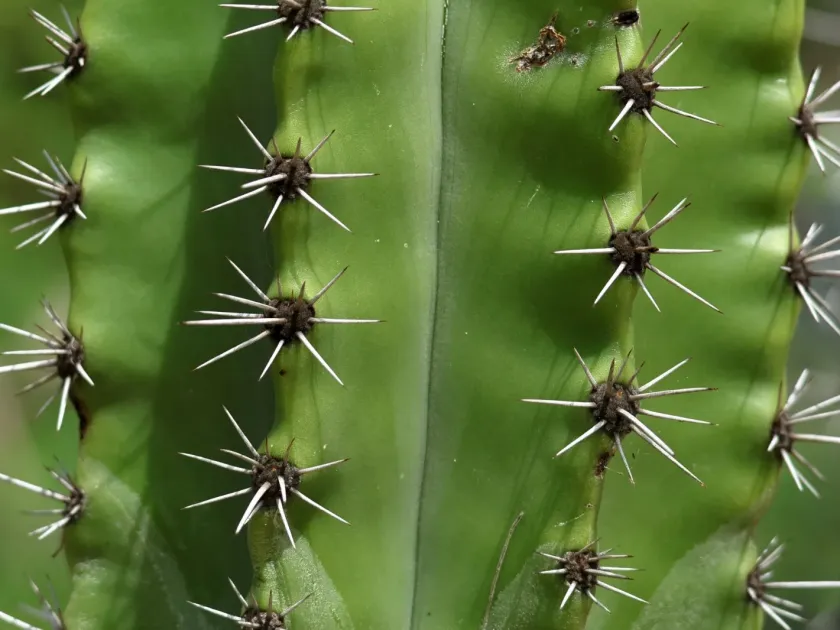
Description
Sowing dates
Propagation of this crop for agricultural purposes is most commonly performed via vegetative methods, specifically cuttings. The optimal time for rooting is during the active growing season, occurring in the spring months when air temperatures remain stable above 20-22 degrees Celsius.
When using seed propagation, sowing is carried out in a specialized substrate with a high content of sand and perlite. Seeds require shallow placement and the maintenance of high humidity in the first weeks post-germination to ensure normal seedling development.
For a successful growth start, cuttings must be well-dried for several days before being planted in the soil. This prevents tissue decay and promotes the formation of a robust root system under conditions of controlled irrigation.
The choice of site for planting young plants must preclude water stagnation. It is optimal to use well-drained ridges or raised beds, which ensures effective moisture removal and aeration of the root zone.
The permanent planting site should be protected from strong winds capable of damaging the tall stems of the cactus. Planting density is calculated based on the dimensions of the mature plant, typically leaving an interval of at least two to three meters between rows.
Growing requirements
Stenocereus pruinosus is a member of the Cactaceae family, originating from the arid regions of Mexico. The plant prefers well-lit areas with direct sunlight, as it is a highly photophilous crop.
The cactus has high soil requirements: it needs loose, permeable soil with a neutral or slightly acidic reaction. Water stagnation is fatal to the root system, which can lead to the rapid death of the plant.
The temperature regime must be warm throughout the year; the crop does not tolerate freezing temperatures. The optimal range for growth and fruiting is 25 to 35 degrees Celsius; growth slows significantly as temperatures drop.
Moisture is required by the plant during the flowering and fruit formation periods; however, irrigation should be moderate. In winter or during the dry dormant season, watering is minimized until the top layer of the substrate is completely dry.
The plant has a columnar form and can reach several meters in height, so proper agrotechnology is important for commercial plantings, including regular application of phosphorus-potassium fertilizers to stimulate fruiting.
Yield
Commercial utilization of the crop focuses on obtaining juicy fruits, which resemble pitaya in taste but possess a more pronounced aroma. Productivity depends on the plant's age and the quality of the agricultural background.
Fruiting begins at 4-6 years of age under optimal cultivation conditions. The yield is formed on lateral branches, so shaping the bush is an important agrotechnical practice to increase production output.
Stenocereus fruits have a characteristic coloration and edible pulp containing numerous small seeds. Fruit quality characteristics directly depend on the level of insolation during the ripening period, which ensures sugar accumulation.
Regular micronutrient fertilization helps increase fruit mass and improves transportability. Commercial plantations in Mexico use intensive irrigation methods during the active fruit-setting phase.
With proper care, a single mature plant can produce several harvest waves per season, making the crop promising for farms in appropriate climatic zones.
Main diseases and pests
The main threat to the crop is fungal diseases that develop against the background of excessive soil moisture. Root and stem rot are the primary causes of losses on plantations.
Among pests, mealybugs and spider mites cause the most harm by sucking sap from young shoots. These insects multiply rapidly in dry and hot climates, requiring periodic insecticide treatment.
Cactus scale infections are also possible, which attach to the stem skin and weaken the plant. Prevention consists of regular inspection of plantings and removal of affected areas at the first signs of invasion.
It is important to monitor for the absence of mechanical damage to the cactus epidermis, as any wounds become an entry point for pathogenic bacteria. Pruning tools must be disinfected before working with each plant.
Disease risk reduction is achieved by adhering to the correct irrigation regime and ensuring excellent air circulation between plants in the row.
Harvesting
Harvesting is carried out exclusively by hand, due to the presence of spines on the fruit surface. It is essential to use protective gloves and specialized tongs for careful fruit removal without damaging the skin.
The degree of maturity is determined by the color change of the skin to a shade characteristic of the variety. Fruits over-ripen quickly, so the harvesting process must be conducted daily during the active ripening period.
After harvest, the fruits require immediate cooling to extend storage life. They are sensitive to physical damage, which requires the use of soft packaging during transportation to the consumer.
Sorting products by size and maturity immediately after harvesting is recommended. Sorting allows for minimized storage losses and optimization of logistics processes.
A properly harvested crop can be stored in a cool place for up to several weeks, retaining its taste qualities and market appearance, which makes the crop attractive for commercial cultivation.