
Stenocereus martinezii
Stenocereus martinezii
Description
Growing requirements
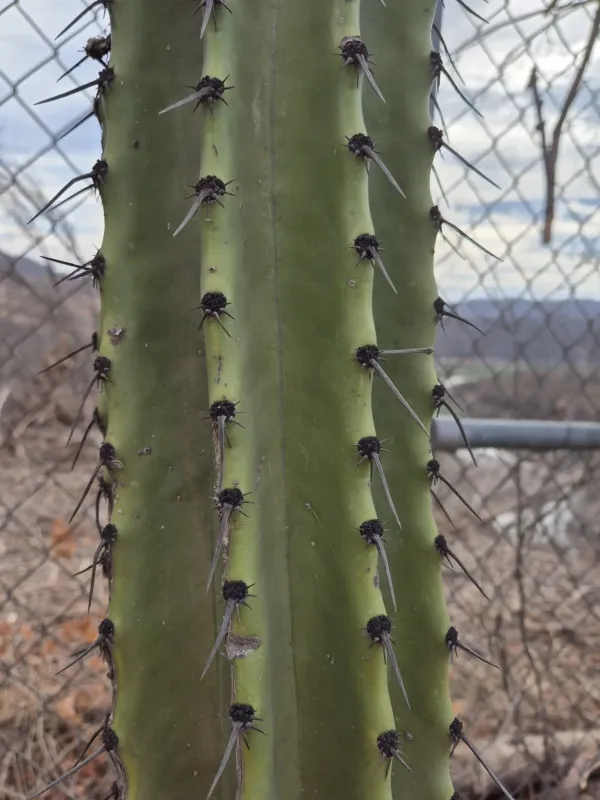
Stenocereus martinezii is a member of the Cactaceae family, known for its robust, columnar growth habit. This plant is a succulent specifically adapted to survive in harsh arid environments.
The native distribution of this species is centered in Mexico, specifically within the Sinaloa region. It thrives in open, high-light environments that mimic its natural stony desert habitat.
The primary cultivation requirement is a perfectly draining soil medium. Growers typically utilize a mix of volcanic rock, coarse sand, and a small portion of loam to prevent moisture accumulation.
Thermal requirements for this cactus are substantial; it prefers high daytime temperatures during the growing season and requires a distinct cooling period during the winter to trigger proper metabolic balance.
Beyond its decorative use in xeriscaping, Stenocereus species are often explored for their fruit-bearing potential. In agricultural contexts, they serve as resilient crops that require minimal water input.
Main diseases and pests
The most significant threat to Stenocereus martinezii is root rot, which typically develops due to poor soil drainage or excessive irrigation during inactive growth phases.
Mealybugs are the most common pests found in indoor or nursery settings. These insects hide in the deep, vertical ribs of the cactus, making manual inspection challenging.
Spider mites can also cause significant aesthetic and physiological damage if the cultivation environment is too dry and lacks adequate air circulation.
Good agricultural practice requires a preventative approach, including consistent monitoring and the use of well-ventilated growing spaces to deter pest colonization.
When infestation occurs, applying contact insecticides or systemic treatments specific to succulents is the standard procedure to ensure the survival and recovery of the plant.