
Stenocereus beneckei
Stenocereus beneckei
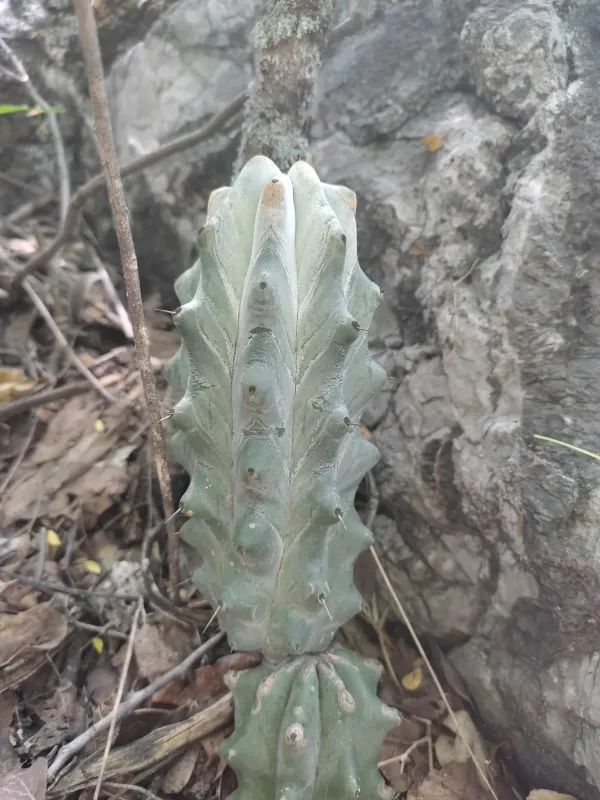
Description
Sowing dates
Stenocereus beneckei is primarily propagated through seeds within controlled nursery or greenhouse environments. The ideal time for sowing is during the spring season, as the increasing day length and temperature facilitate better germination rates.
A sterilized, highly porous substrate consisting of sand or perlite is essential to ensure excellent drainage. Seeds should be spread evenly across the surface and lightly covered with a fine layer of coarse sand to provide adequate anchoring.
Maintaining a consistent moisture level and a temperature range of 22–25 degrees Celsius is critical until the seedlings emerge. Once sprouted, young cacti require a gradual transition to drier air and brighter light conditions.
Transplanting (pricking out) is typically performed about one year after sowing, once the root system has matured sufficiently. A careful transplanting method is necessary to preserve the delicate root structure and prevent transplantation shock.
Vegetative propagation via cuttings is also a viable option. Cuttings must be left to dry in the air for several days to allow the cut surface to callus before they are placed into a dry medium to initiate root development.
Growing requirements
Belonging to the Cactaceae family, this species is native to arid regions in Mexico. It requires an environment that mimics its natural desert habitat, featuring distinct dry cycles and plenty of warmth throughout the growing season.
High levels of solar radiation are mandatory for healthy development. Insufficient light results in etiolated, thin stems and the loss of the characteristic blue-grey waxy bloom that covers the surface of the plant.
The growing medium must be loose, mineral-rich, and possess superior drainage capabilities. An ideal mixture includes turf soil, coarse river sand, and small gravel, ensuring that water never stagnates around the roots.
Watering protocols must be strictly managed, applying water only after the substrate has completely dried out. During the winter months, the plant enters a period of dormancy, and watering should be almost completely suspended to simulate a natural drought.
The plant thrives in high heat, but it is highly susceptible to rot if exposed to cool, damp conditions. Ensuring a thick drainage layer at the base of the container and adequate air circulation is essential for its longevity.
Main diseases and pests
Fungal infections resulting from overwatering or poor ventilation are the most significant threats to this culture. Root rot is particularly lethal and often progresses rapidly before any external signs become visible on the stem.
Mealybugs are the most common pests, often settling in the deep crevices between the ribs. Their presence is usually identified by the distinct white, cotton-like masses they produce within the areoles of the cactus.
In hot and dry indoor conditions, spider mites may also pose a risk. These pests feed on the surface tissue, causing unsightly discoloration and permanent scarring that detracts from the plant's natural beauty.
Pest control is best achieved through the use of systemic insecticides. Care must be taken not to spray the stem directly with aggressive chemicals, as this can easily damage the delicate, waxy epidermis of the plant.
Preventive maintenance involves regular inspections and ensuring a dry environment. Should rot occur, affected areas must be surgically removed back to healthy, green tissue, followed by the application of sulfur powder or charcoal to dry out the wound.