
Stenocereus heptagonus
Stenocereus heptagonus
Description
Growing requirements
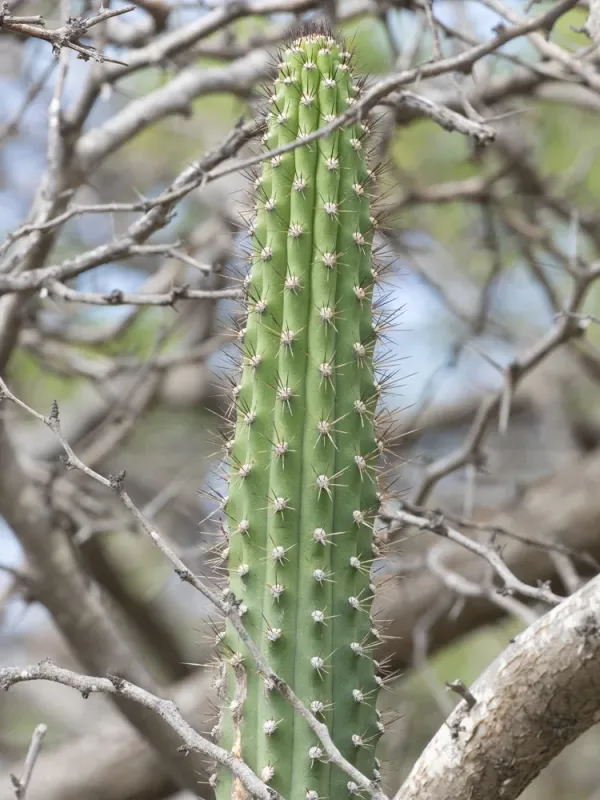
Stenocereus heptagonus is a prominent columnar cactus belonging to the Cactaceae family. It is recognized for its robust, tree-like growth habit and distinct ribbing, which typically manifest in groups of seven or eight.
Native to the tropical regions of the Caribbean and Central America, this plant is well-adapted to high-temperature environments. It requires significant solar exposure throughout the year to maintain its structural integrity and metabolic rate.
The selection of an appropriate growing medium is vital for successful production. A highly porous, well-draining soil mixture composed of coarse sand and inorganic matter is essential to ensure healthy root development.
Watering practices must be adjusted according to seasonal cycles. During the active growth phase, moisture should be provided in a controlled manner, whereas the dormancy period requires a dry environment to prevent rot.
Agricultural management also includes periodic monitoring of the plant's nutritional status. Despite its adaptation to nutrient-poor soils, modest applications of mineral fertilizers during the peak season can enhance fruit production.
Yield
This crop is primarily cultivated for its edible fruit, which serves as a source of nutrition in arid regions. Consistent yields depend on the plant's maturity and the optimization of microclimatic conditions in the plantation.
Main diseases and pests
The primary threats include fungal pathogens, such as stem rot, which proliferate in environments with inadequate ventilation or excessive soil moisture. Proper spacing between rows is recommended for disease prevention.
Pests such as mealybugs and spider mites frequently infest the epidermis of the cactus. Integrated pest management strategies, focusing on early detection and biological control, are highly effective in mitigating these threats.