
Soehrensia tarijensis
Soehrensia tarijensis
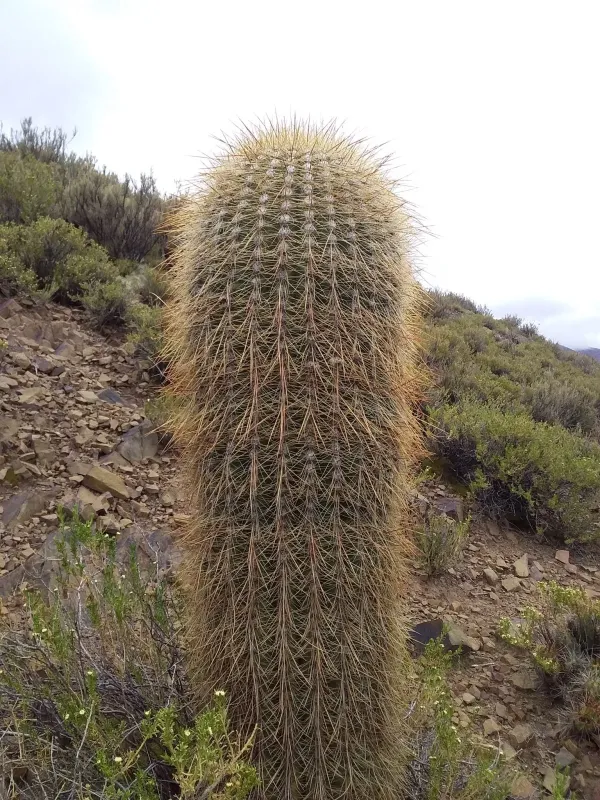
Description
Growing requirements
Soehrensia tarijensis is a prominent member of the Cactaceae family, known for its massive, columnar growth habit. Native to the high-altitude regions of Tarija, Bolivia, this plant has evolved to withstand intense solar radiation and significant diurnal temperature fluctuations.
The natural habitat of this species is characterized by rocky, nutrient-poor soils with excellent drainage. In an agricultural or horticultural context, this necessitates a specialized potting mix composed primarily of volcanic rock, gravel, and sand to prevent root rot.
Climate requirements for Soehrensia tarijensis involve high light intensity to maintain structural integrity. The plant thrives in environments that mimic high-mountain conditions, featuring warm days and significantly cooler nights, which are essential for its metabolic processes.
Watering management is critical; during the active growth season, water should be applied only after the substrate has thoroughly dried. Over-irrigation is the most common cause of mortality for this species, as its roots are highly sensitive to prolonged moisture.
While primarily cultivated as an ornamental or botanical specimen, the species is valued for its hardiness. Its potential utility lies in the study of drought-resistant vegetation and the sustainable use of arid-adapted species in decorative landscaping in Mediterranean climates.
Main diseases and pests
The primary threats to Soehrensia tarijensis are root rot and fungal spotting, typically induced by high humidity levels and poor soil drainage. Maintaining a dry environment and ensuring constant airflow are the best preventative measures against these pathogens.
Pest management focuses on controlling mealybugs and spider mites, which can thrive in the crevices of the cactus ribs. Proactive monitoring of the plant's epidermis is recommended to ensure early detection and treatment of any infestations.