
Soehrensia angelesiae
Soehrensia angelesiae
Description
Growing requirements
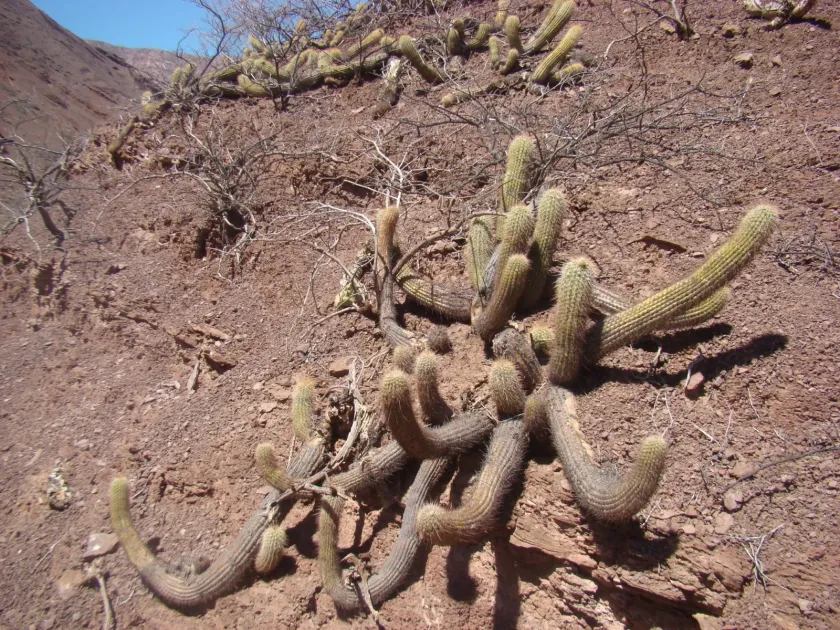
Soehrensia angelesiae is a remarkable species belonging to the Cactaceae family, native to the arid mountainous regions of Argentina. It is a succulent adapted to high altitudes where solar radiation is intense and moisture is scarce.
The plant features a robust, globular stem structure that can reach significant sizes, characterized by deep ribs and prominent spines that protect the plant from both herbivores and environmental stress.
To cultivate this species successfully, it is crucial to provide a highly porous, gritty substrate that ensures rapid drainage. Inorganic materials such as pumice, perlite, and coarse sand should make up the majority of the potting mix.
Light intensity is the most critical environmental factor; these cacti require direct sunlight for at least six hours a day to maintain their structural integrity and stimulate the development of their spectacular flowers.
Proper water management is essential for long-term survival. During the growing season, water thoroughly only when the substrate is completely dry, and refrain from any irrigation during the cool winter dormant period to prevent rot.
Main diseases and pests
The most dangerous threats to Soehrensia angelesiae include root and stem rot, which occur primarily due to poor drainage and overwatering, creating an anaerobic environment that fosters fungal growth.
Mealybugs are the most common insect pests, often hiding within the dense spine clusters of the cactus. Their presence can be identified by the characteristic white, cotton-like wax they produce on the stem surface.
Spider mites can also cause significant damage, especially in dry, stagnant air. They typically feed on the epidermis, creating unsightly scabs and patches that disrupt the plant's ability to photosynthesize effectively.
Fungal pathogens such as those causing black rot are difficult to treat once they infect the vascular system; therefore, using sterilized soil and maintaining good airflow around the plants are vital preventive measures.
Regular inspection of the root collar and the base of the plant is recommended, as early detection of rot or infestations can often be managed by surgical excision or localized treatment with professional-grade pesticides.