
Soehrensia spachiana
Soehrensia spachiana
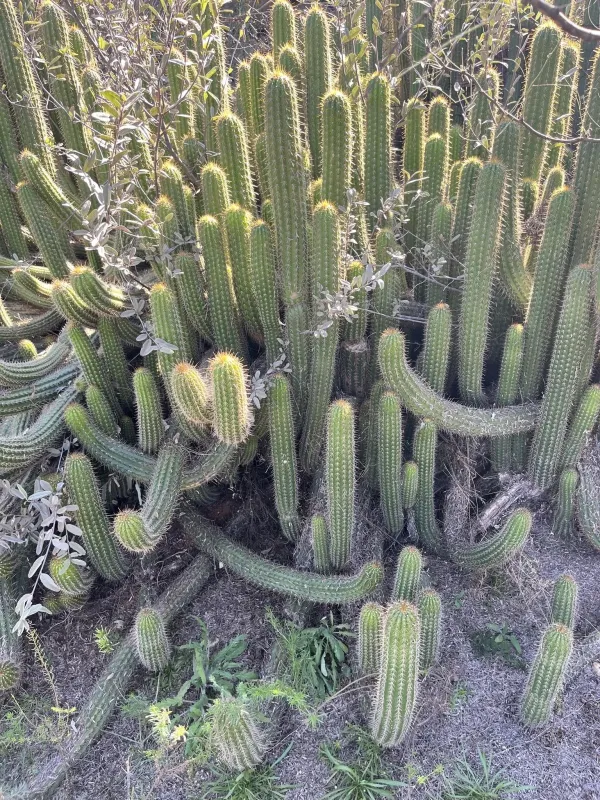
Description
Growing requirements
Soehrensia spachiana, commonly referred to as the golden torch, belongs to the family Cactaceae. Originating from the arid, mountainous regions of Argentina and Bolivia, this species is highly valued for its striking columnar growth pattern.
The cultivation of this plant requires high solar irradiance to maintain its structural integrity and health. It thrives in well-draining, mineral-rich substrates that mimic the rocky, nutrient-poor soils of its native habitat, ensuring minimal water retention.
Climatic requirements are specific: the plant demands warm temperatures during its active growth phase in summer and cool, dry conditions during its winter dormancy period. This seasonality is crucial for the plant's metabolic health and potential flowering.
Agronomic management involves strict irrigation control. Water should only be applied when the substrate is entirely dry, as the root system is susceptible to decay if exposed to constant moisture or poor aeration.
Regarding хозяйственное usage, this cactus is primarily used in xeriscaping, ornamental plant markets, and as a rootstock for grafting more sensitive cactus species due to its vigor and resilient root structure.
Main diseases and pests
The primary agronomic threats to Soehrensia spachiana involve fungal and bacterial infections triggered by excessive soil moisture and inadequate airflow within the greenhouse or cultivation site.
Common pests include spider mites, which can cause significant damage to the epidermis of the cactus, and root mealybugs, which are often overlooked until the plant shows signs of decline.
Integrated pest management strategies are recommended, involving the use of selective systemic insecticides and careful monitoring of environmental humidity to deter pest colonization.
Physical injuries to the cactus body must be treated immediately with antiseptic powders or specialized fungicides to prevent the entry of pathogens into the vascular system.
- Avoid over-watering to prevent fungal root rot.
- Ensure excellent air circulation to reduce humidity levels.
- Regularly check for signs of mite infestation during growth.