
Soehrensia arboricola
Soehrensia arboricola
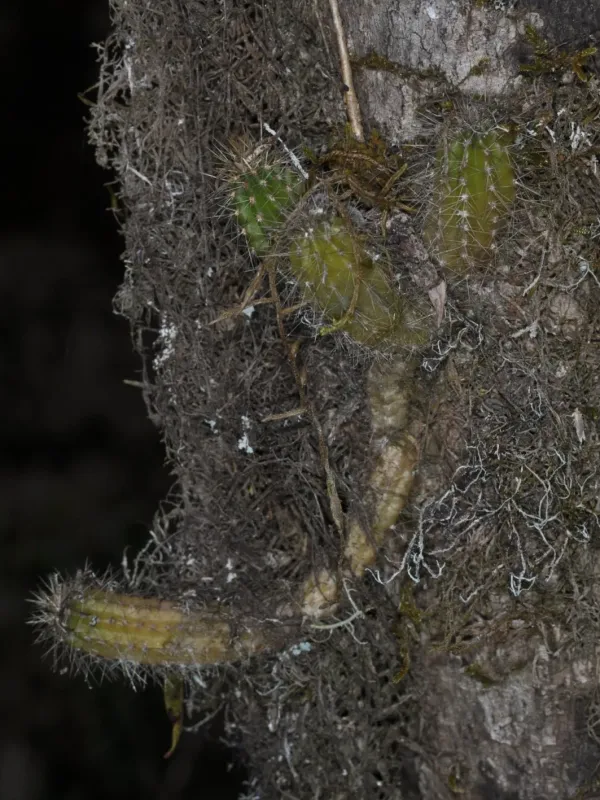
Description
Growing requirements
Soehrensia arboricola is a distinct species belonging to the Cactaceae family, primarily known for its unique arborescent growth habit. Originating from the mountainous regions of South America, this plant is well-adapted to high-altitude environments characterized by intense solar radiation.
Botanically, the plant features a robust stem structure that serves as a reservoir for water, enabling survival during prolonged periods of drought. Its epidermis is thickened and armored with dense spines to mitigate transpiration losses.
For successful cultivation, the soil substrate must be highly inorganic, consisting of coarse sand, perlite, and fine gravel to ensure maximum porosity. Heavy soils that retain moisture for long periods are unsuitable and often lead to root deterioration.
The climate requirements include a distinct cycle of active growth during warm seasons and a cool, dry dormancy period. Providing bright, indirect or direct sunlight is essential for maintaining the characteristic dense spine production and structural integrity.
In terms of agricultural and horticultural use, this species is highly valued in arid-land landscaping and private botanical collections. Its inherent resilience makes it a subject of interest for climate-adapted plant breeding programs.
Main diseases and pests
Root rot is the primary physiological threat to Soehrensia arboricola, often triggered by excessive humidity or waterlogged soil conditions. Proper irrigation management is the cornerstone of preventing such lethal infections.
Mealybugs are the most common pests, frequently targeting the axils and crevices between tubercles. These insects can cause significant stunted growth if not managed through timely intervention.
Spider mites also pose a risk, particularly in greenhouse settings where air circulation may be inadequate. Infestations typically appear as fine webbing and localized yellowing of the epidermis.
Integrated pest management strategies involve regular cleaning of the plants and the application of systemic pesticides during the early stages of infestation. Avoiding overhead watering is a key preventative measure.
Overall, maintaining strict hygiene in the cultivation environment and avoiding over-fertilization with nitrogenous compounds are essential practices. Healthy plants are generally robust enough to resist minor localized pest pressures.